
The History And Significance Of Berber Crafts
Introduction to Berber Crafts
The History and Significance of Berber Crafts is a rich and complex topic that spans thousands of years, with a profound impact on North African culture. Berber crafts, also known as Amazigh crafts, are a testament to the ingenuity and creativity of the Berber people, who have preserved their unique cultural heritage despite centuries of colonization and modernization. From the intricate textiles and pottery to the beautiful jewelry and metalwork, Berber crafts are a reflection of the community's history, spirituality, and identity. Berber culture is deeply rooted in the region's history, with a significant influence on North African handicrafts, including Moroccan products. The Berber people have a long tradition of craftsmanship, with skills passed down from generation to generation. As you delve into the world of Berber crafts, you will discover a fascinating blend of traditional techniques, symbolic motifs, and cultural significance, including the creation of an Authentic Handmade Beni Ouarain rug.
Origins and Evolution of Berber Crafts### The Ancient Roots of Berber Crafts
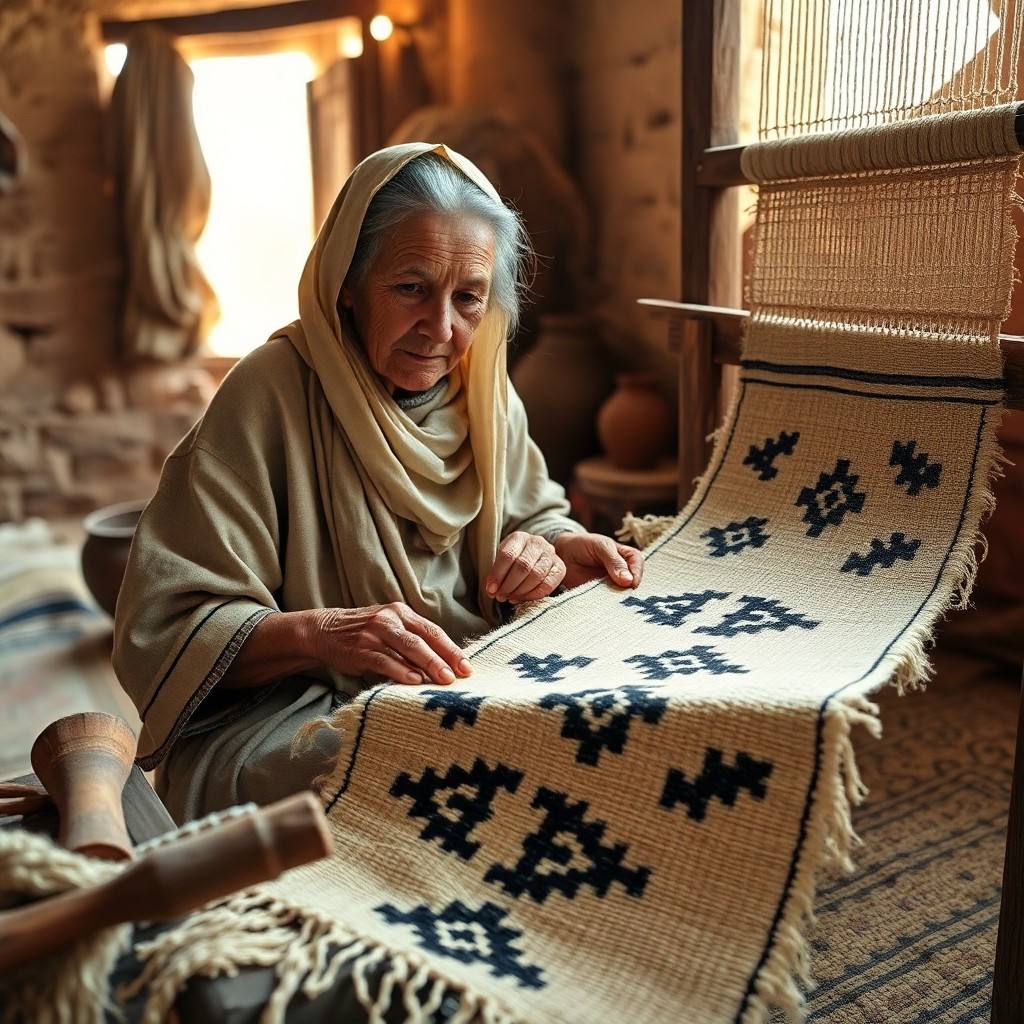
*This image vividly portrays a Berber artisan engaged in the timeless tradition of rug weaving, highlighting the meticulous process and cultural significance of Beni Ouarain rugs, mentioned specifically in the article.*
The origins of Berber crafts date back to the ancient Berber tribe of the Tuareg, who were known for their expertise in metalwork, leatherwork, and weaving. The Tuareg people have a rich cultural heritage, with a strong emphasis on craftsmanship and trade. The evolution of Berber crafts over time has been shaped by various factors, including trade and colonization. For example, the introduction of Islamic geometric patterns in Berber textiles has had a lasting impact on the craft. According to historical records, the impact of trade and colonization on Berber crafts has been significant, with a decline in traditional craftsmanship reported in recent decades.
Influence of Islamic and Mediterranean Cultures
The influence of Islamic and Mediterranean cultures on Berber crafts is evident in the use of geometric patterns, arabesque motifs, and other decorative elements. The use of Islamic geometric patterns in Berber textiles, for instance, reflects the cultural exchange and trade between the Berber people and other civilizations. Berber textiles, in particular, have been influenced by Islamic and Mediterranean cultures, with the use of intricate patterns and colors. Some of these textiles can be used as a Handmade Pompom Blanket, Throw to add a touch of Berber culture to any room.
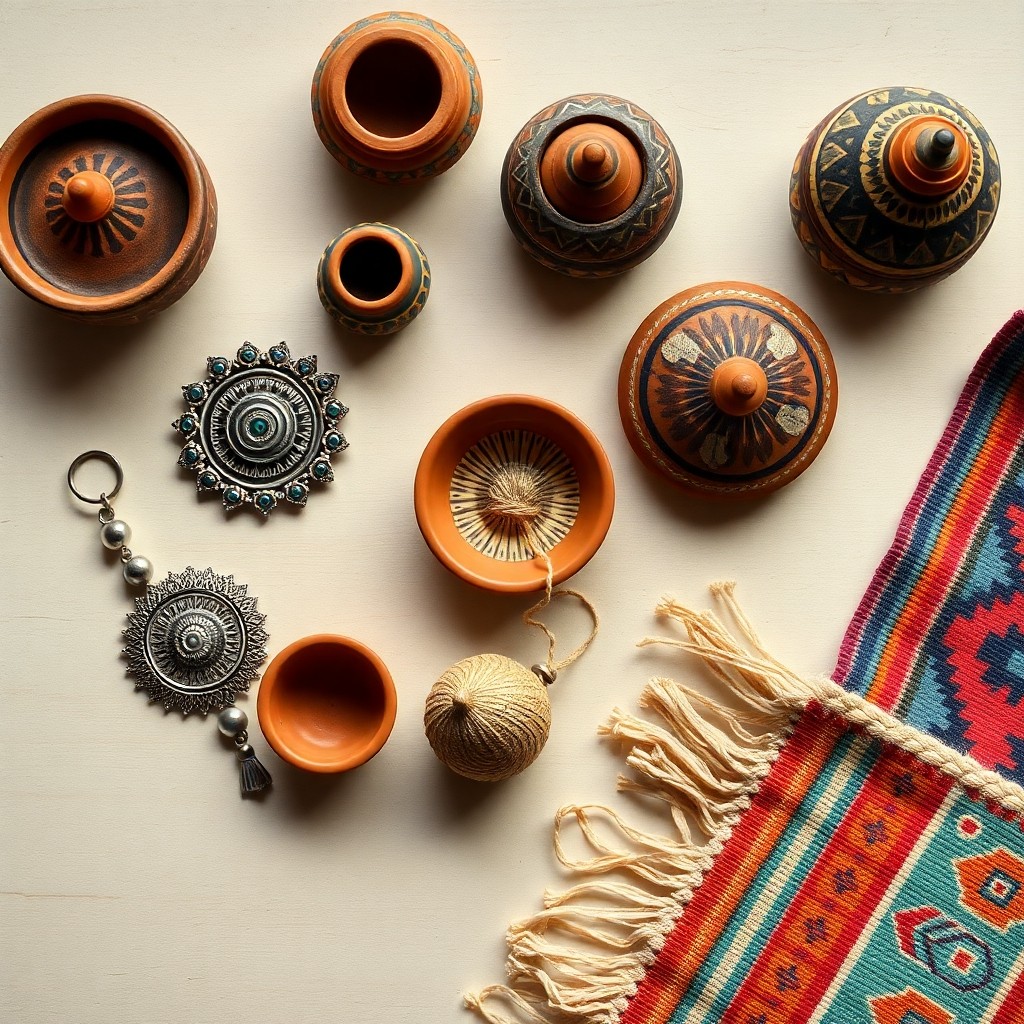
*A curated display of various Berber crafts, from exquisite jewelry and detailed pottery to woven textiles, illustrating the rich artistic heritage and diversity of the Berber people as discussed in the article.*
Traditional Berber Craftsmanship### The Art of Berber Weaving and Embroidery
Traditional Berber weaving and embroidery are highly prized for their beauty and intricacy. The process of creating a traditional Berber pattern involves several steps, including designing the pattern, selecting the materials, and weaving or embroidering the design. For example, to create a traditional Berber weaving pattern, you would start by designing the pattern on paper, using a combination of geometric shapes and symbolic motifs. Next, you would select the materials, including wool, cotton, or silk, and choose the colors and dyes. Finally, you would weave or embroider the design, using a traditional loom or needle and thread. The importance of traditional Berber symbols and motifs, such as the "agadez" symbol, cannot be overstated, as they carry deep meaning and significance in Berber culture.
The Role of Berber Women in Craftsmanship
Berber women have played a significant role in preserving and passing down traditional craftsmanship, including weaving, embroidery, and pottery. As a Berber craftswoman once said, "Our crafts are not just about creating beautiful objects, but about preserving our cultural heritage and passing it down to future generations." Berber women have been instrumental in keeping traditional craftsmanship alive, despite the challenges posed by modernization and globalization. Traditional craftsmanship is an essential part of Berber culture, and the role of Berber women in preserving this heritage is vital.
Symbolism and Meaning in Berber Crafts### The Language of Berber Symbols and Motifs
Berber symbols and motifs carry deep meaning and significance, with each design element telling a story or conveying a message. For example, the "agadez" symbol, which resembles a cross, is a powerful symbol of protection and good fortune. The use of symbolic motifs in Berber crafts is a way of communicating cultural values and traditions, and of passing down history and mythology. The Berber people have a rich cultural heritage, with a strong emphasis on storytelling and oral tradition. Berber mythology is full of stories and legends, which are often depicted in Berber crafts.
The Connection to Berber Spirituality and Identity
Berber crafts are deeply connected to Berber spirituality and identity, with many designs and motifs reflecting the community's spiritual beliefs and practices. For example, the use of geometric patterns and symbolic motifs in Berber textiles is often associated with spiritual and mystical themes. The connection between Berber crafts and spirituality is evident in the use of sacred symbols and motifs, which are believed to possess spiritual power and significance. Berber identity is closely tied to the community's cultural heritage, with traditional craftsmanship playing a vital role in preserving this heritage, and can be explored further by visiting our Moroccan products page.
Preservation and Revitalization of Berber Crafts### Efforts to Preserve Traditional Berber Crafts
Despite the challenges facing traditional Berber craftsmanship, there are many initiatives underway to preserve and promote Berber crafts. For example, many organizations and communities are working to preserve traditional Berber crafts, including the establishment of craft schools and training programs. The preservation of traditional craftsmanship is essential to maintaining the cultural heritage of the Berber people, and can be supported by purchasing Authentic Handmade Beni Ouarain rugs.
The Impact of Modernization and Globalization
The impact of modernization and globalization on Berber crafts has been significant, with many traditional crafts facing decline or extinction. The introduction of modern materials and techniques has also had a profound impact on Berber crafts, with many artisans adapting to new technologies and markets. However, this has also led to concerns about the loss of traditional skills and knowledge. To combat this, many artisans are now creating modern products, such as a Handmade Pompom Blanket, Throw, that still reflect the traditional craftsmanship of the Berber people.
Conclusion and Future of Berber Crafts
The History and Significance of Berber Crafts is a rich and complex topic that spans thousands of years, with a profound impact on North African culture. As we look to the future, it is essential that we preserve and promote traditional Berber crafts, including the establishment of craft schools and training programs. The future of Berber crafts is uncertain, but with the help of organizations and communities, it is possible to preserve this vital part of Berber culture. By supporting Berber craftswomen and artisans, we can help ensure the continuation of this rich cultural heritage, and explore more Moroccan products that showcase the beauty and craftsmanship of the Berber people.
Frequently Asked Questions
Q: What is the significance of Berber crafts in North African culture? A: Berber crafts are a vital part of North African culture, reflecting the community's history, spirituality, and identity. Q: How have Berber crafts evolved over time? A: Berber crafts have evolved significantly over time, influenced by various factors, including trade and colonization. Q: What can be done to preserve and promote traditional Berber crafts? A: Initiatives to preserve and promote traditional Berber crafts include the establishment of craft schools and training programs, and supporting artisans who create Authentic Handmade Beni Ouarain rugs and Handmade Pompom Blanket, Throw blankets. Q: What is the role of Berber women in preserving traditional craftsmanship? A: Berber women have played a significant role in preserving and passing down traditional craftsmanship. Q: How can I support Berber craftswomen and artisans? A: You can support Berber craftswomen and artisans by purchasing their crafts, donating to preservation initiatives, and promoting their work, such as Moroccan products.
**Meta Description:** Discover the rich cultural heritage of Berber crafts, from traditional weaving and embroidery to symbolic motifs and spiritual significance, and learn how to preserve and promote this vital part of North African culture, by exploring Moroccan products.