
Planning A Trip To Morocco: Best Places To Visit
Planning a Trip to Morocco: Best Places to Visit Morocco’s fusion of Arab, Berber, and French heritage creates a sensory tapestry that lures travelers from Marrakech’s bustling souks to the tranquil dunes of the Sahara. A telling detail: Fez shelters Al‑Quaraouiyine, the world’s oldest continuously operating university, founded in 859 AD. Recognizing Morocco’s varied geography—from the snow‑capped Atlas Mountains (peaks over 4,000 m) to the 1,800‑km Atlantic coastline—lets you align activities with seasons and sidestep pitfalls such as summer medina heat exceeding 38 °C or missed desert night skies.
Planning a Trip to Morocco: Best Places to Visit ## Choosing the Best Time to Visit Morocco
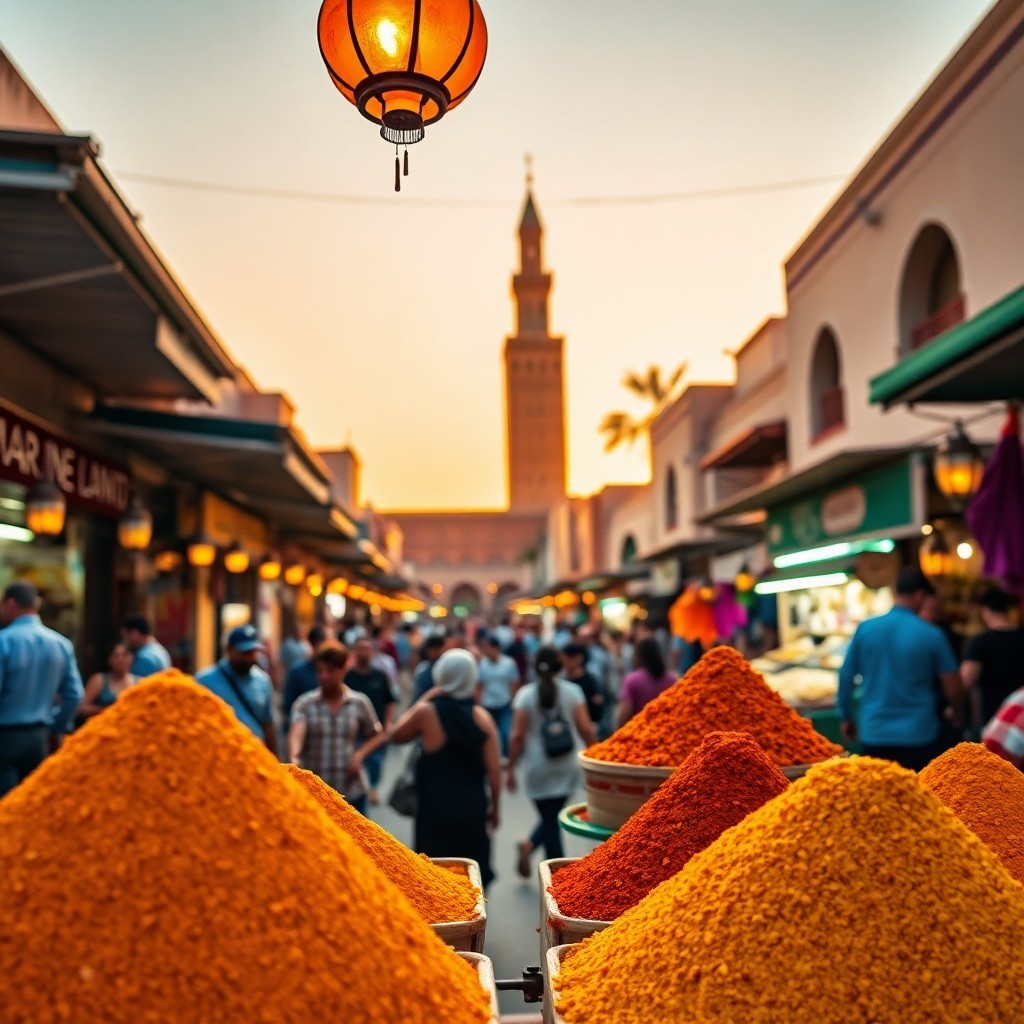
* A captivating image of Marrakech’s iconic Jemaa el-Fna square, showcasing its vibrant spice stalls and lively atmosphere during golden hour.*
Understanding Morocco's Climate
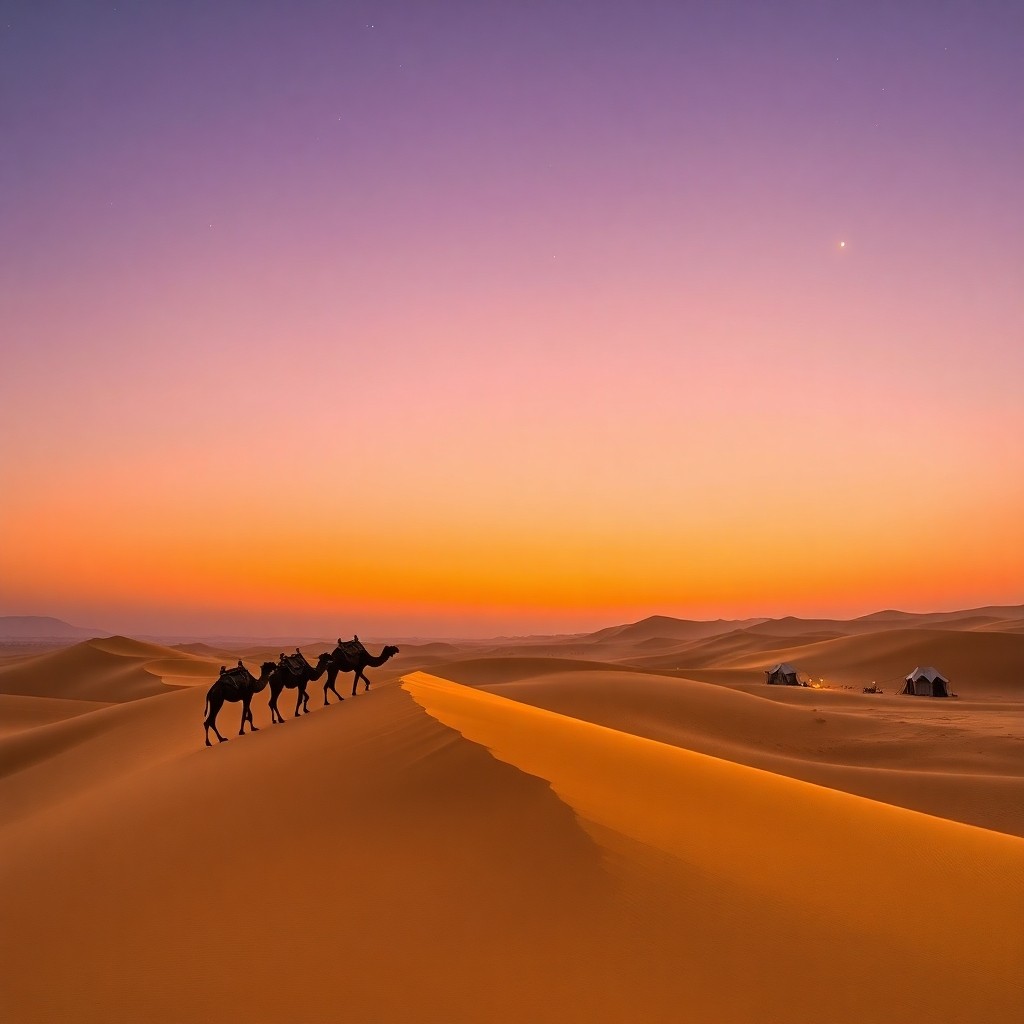
Morocco’s climate divides into three zones: a Mediterranean strip along the northern coast, a semi‑arid plateau in the interior, and a true desert in the south. Casablanca, on the Atlantic, sees winter averages of 12 °C (54 °F) and summer highs near 24 °C (75 °F). Inland, Marrakech hits July peaks of 38 °C (100 °F) while November offers comfortable 22 °C (72 °F) days. The High Atlas holds snow above 2,500 m from December through March, perfect for snowshoeing in January but too harsh for low‑altitude trails. Nationally, rainfall peaks in November and March, with the driest period from May to September; the Sahara receives less than 25 mm annually, making rain almost nonexistent. * A stunning image of the Sahara Desert at twilight, featuring camels, sand dunes, and a Berber camp under a star-filled sky.*
Avoiding Tourist Crowds
Traveling to Marrakech’s Jemaa el‑Fna in early October cuts queue times at spice stalls by roughly 30 % and drops riad rates to about 20 % below July’s peak. Chefchaouen’s azure alleys experience roughly 50 % fewer visitors in late April than during summer, granting unobstructed views of the Rif Mountains. For the Sahara, mid‑February offers daytime averages of 20 °C (68 °F) and nighttime lows above 5 °C (41 °F), with desert camps running at 30 % occupancy compared to 80 % in August.
Special Events and Festivals
Marrakech’s Popular Arts Festival animates the medina each July for ten days, featuring Gnawa musicians, storytellers, and street performers that draw crowds exceeding 100,000. The Fez Festival of World Sacred Music takes place in early June, turning venues such as the Batha Museum into stages for Sufi chants and Andalusian orchestras attended by roughly 50,000 visitors. In the desert, the Erfoud Date Festival in October celebrates the harvest with camel races, traditional bread‑baking demos, and stalls offering fresh Medjool dates, attracting about 30,000 participants. Aligning travel with these events enriches cultural exposure but necessitates booking lodging at least three months ahead due to heightened demand.
Must-See Cities in Morocco
Exploring Marrakech's Medina
Begin your medina walk at the Koutoubia Mosque’s 77‑meter minaret, visible from most gates, then head south through Bab Agnaou into the Kasbah district. Turn left onto Rue Riad Zitoun el‑Jdid to arrive at the Ben Youssef Madrasa, where carved cedar ceilings showcase 14th‑century Marinid craftsmanship. Continue east to Souk Semmarine for leather goods, then follow the aroma of cumin to Rue des Consuls for brass lanterns. Pause at Café des Épices on Place des Épices for mint tea before looping north via Rue Mouassine to the Saadian Tombs, where intricate stucco work marks the resting place of Sultan Ahmad al‑Mansur’s family.
Discovering Fez's Rich History
Fez el‑Bali, the oldest walled quarter, encompasses over 9,000 alleys across roughly 300 ha; a useful navigation tip is to follow the downward slope toward the Andalusian Quarter, leading to the Al‑Attarine Madrasa. Its courtyard centers on a marble fountain encircled by zellij tilework in cobalt and emerald. A ten‑minute walk north brings you to the Nejjarine Museum of Wood Arts & Crafts, set in a restored funduq that exhibits intricate cedar screens and traditional musical instruments. For a panoramic outlook, ascend the Borj Nord fortress; its artillery platforms overlook the medina’s terracotta roofs and frame a clear view of the Moulay Idriss II mausoleum, identified by a green‑tipped minaret.
Rabat's Hidden Gems
While many tourists flock to the Kasbah of the Udayas, a quieter alternative awaits at the Chellah necropolis—a Roman‑Islamic ruin spanning 2 ha where storks nest atop ancient minarets. Stroll garden paths shaded by orange trees to find an inscribed marble slab marking Sultan Abu al‑Hasan’s 14th‑century renovations. Another hidden gem is the Villa des Arts, a contemporary gallery behind the Ministry of Culture that hosts rotating exhibitions spotlighting Moroccan photographers documenting rural life. For an authentic local bite, visit the nearby Souk el‑Had for fresh figs and olives, then enjoy a glass of freshly squeezed pomegranate juice at the stall opposite Bab Rouah gate.
Moroccan Nature and Outdoor Activities
Hiking in the Atlas Mountains
The trailhead for Toubkal National Park lies in Imlil village at 1,800 m elevation; the standard route to Jebel Toubkal’s summit (4,167 m) follows a well‑marked path gaining about 1,200 m over 11 km, typically taking 6‑7 hours ascent. Start before sunrise to evade afternoon thunderstorms that often form above 3,000 m after 13:00. Dress in layers—a breathable base, fleece mid‑layer, and waterproof shell—as summit temperatures can plunge below freezing even in June. For a gentler alternative, the Azzaden Valley trek winds through terraced Berber villages, walnut groves, and offers vistas of the M’Goun massif over two days, with overnight stays in family‑run gites serving tajine prepared from locally raised lamb.
Exploring the Sahara Desert
Most desert excursions launch from Merzouga, where Erg Chebbi’s dunes crest at 150 m. A standard two‑night camel trek features a sunset ride across the dunes, an overnight stay in a Berber tent beneath a light‑pollution‑free sky perfect for viewing the Milky Way’s core, followed by a sunrise visit to the Tafilalt fossil beds. Select operators that supply a licensed guide, a GPS tracker, and at least two liters of water per person daily; respected outfits such as Desert Magic Adventures also provide solar‑powered lanterns and insulated sleeping bags rated to ‑10 °C. For 4×4 enthusiasts, the Zagora‑to‑Tinfou route passes the ancient ksar of Aït Ben Haddou, a UNESCO World Heritage site appearing in many films.
Surfing and Beach Activities
Taghazout Bay, situated 20 km north of Agadir, features Anchor Point, a right‑hand point break delivering consistent swells from October to April, with winter storm faces reaching 2 m. Local surf schools such as Maroc Surf provide two‑hour beginner lessons covering paddling technique, pop‑up timing, and rip‑current safety. For a relaxed beach outing, visit Legzira’s renowned natural arches; the sandstone formations shine at low tide, exposing tide pools rich in small crabs and sea snails. Windsurf aficionados gravitate to Essaouira’s harbor, where the steady Alizé trade winds average 20‑25 knots, creating ideal conditions for freestyle jumps and slalom runs.
Cultural Experiences and Etiquette
Understanding Moroccan Customs
When entering a Moroccan home, remove your shoes at the threshold and greet the host with “Salam alaykum” while placing your right hand over your heart. Accepting a glass of mint tea signals hospitality; refusing it may be seen as impolite, so take at least a sip. In souks, haggling is customary—open with an offer around 50 % of the asking price and increase gradually, as showing frustration or walking away mid‑negotiation can stall the process. Public displays of affection beyond holding hands are discouraged, particularly in conservative zones such as the medina of Tetouan.
Experiencing Local Cuisine
A classic dish to try is chicken preserved lemon and olive tajine, slow‑cooked in a conical earthenware pot that tenderizes the meat while infusing it with citrus brightness. For street food, look for a stall selling msemen—a flaky, square‑shaped pancake often filled with honey or cheese—and watch the vendor stretch the dough on a hot griddle before folding it. Seafood lovers should head to Essaouira’s port, where fresh sardines are grilled over charcoal, seasoned with cumin and paprika, and served alongside zaalouk, a smoky eggplant and tomato dip. To prepare a simple Moroccan salad at home, combine diced cucumber, tomato, red onion, and chopped parsley, then dress with olive oil, lemon juice, a pinch of salt, and a teaspoon of ground cumin.
Respecting Local Traditions
Visiting the Hassan II Mosque in Casablanca requires modest attire: women should cover their hair with a scarf and wear long sleeves, while men must wear long pants. Shoes are removed at the entrance, and a disposable robe is provided if needed. Inside, avoid pointing the soles of your feet toward the qibla wall, as this is deemed disrespectful. When photographing people, always ask permission first; a friendly smile and a gesture toward your camera usually suffices. During Ramadan, abstain from eating, drinking, or smoking in public during daylight hours—many restaurants close, yet hotels frequently arrange private dining for non‑fasting guests.
Conclusion and Final Tips
Your Moroccan adventure hinges on aligning interests with seasonal rhythms—whether you crave the vibrant chaos of Marrakech’s souks, the scholarly calm of Fez’s medina, or the stark beauty of the Sahara’s night sky. Pack versatile clothing layers, learn a few basic Arabic greetings, and leave room in your itinerary for spontaneous invitations to share tea with a Berber family. By respecting local customs and embracing the country’s diverse landscapes, you’ll return home with memories that feel both exotic and intimately personal. Start booking your flights now, and let Morocco’s timeless charm guide your next journey. Consider purchasing travel insurance that covers medical evacuation and carry small denominations of Moroccan dirhams for market purchases. **Meta Description:** Discover the best places to visit in Morocco, from Marrakech’s medina and Fez’s history to Sahara desert tours and Atlas mountain hikes, with practical tips for timing, culture, and outdoor adventure.