
Moroccan Food: The History And Culture Behind Your Favorite Dishes
Introduction
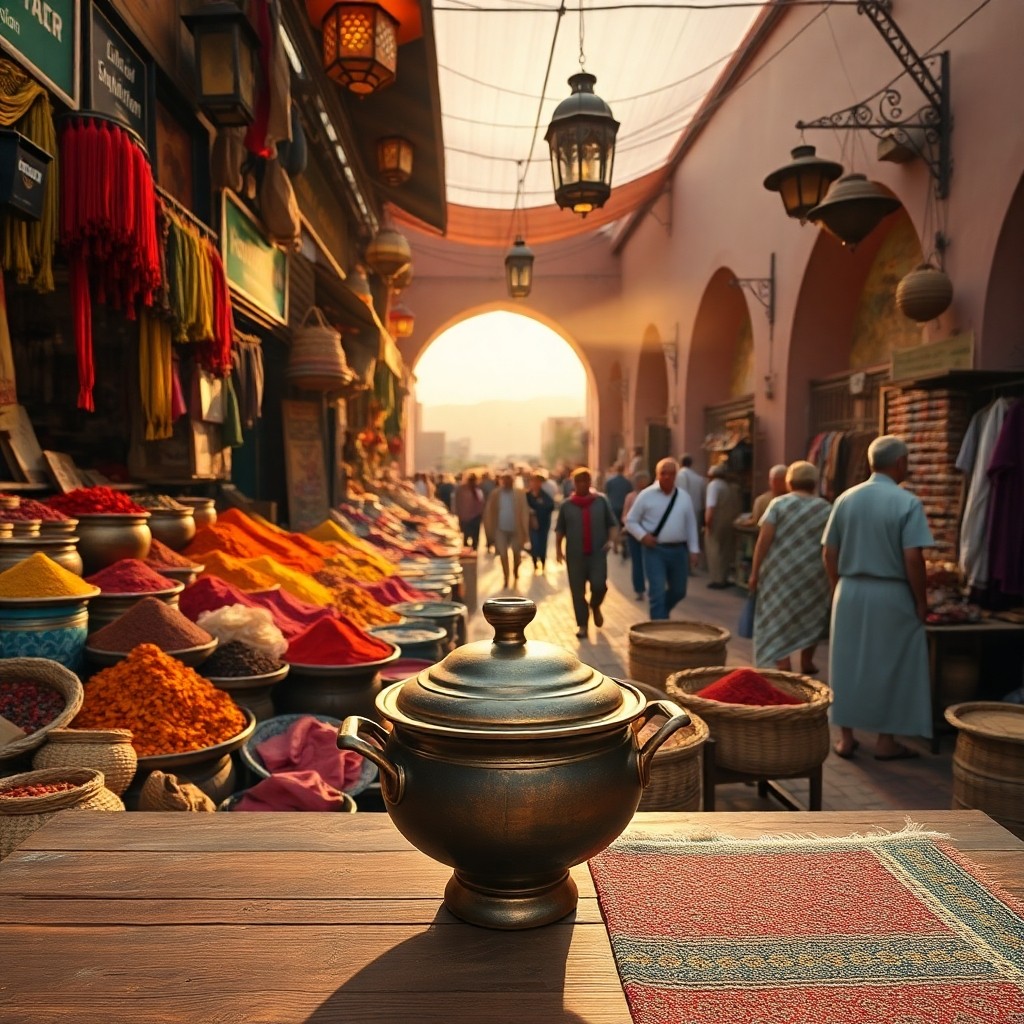
moroccan-cold-pressed-evoo-for-cooking-salads Moroccan Food: The History and Culture Behind Your Favorite Dishes weaves together the Atlantic breezes of Tangier, the spice‑laden caravans that once crossed the Sahara, and the daily rhythms of bustling souks.
When Chef Fatima Zahra tells her apprentices, “Every bite carries a memory of the mountains, the sea, and the people who cooked before us,” she captures why the cuisine feels alive. Recent surveys show that 68 percent of travelers to Morocco name food as the main reason for their visit, and many allocate a larger share of their budget to tasting tagines, pastillas, and street‑side salads. This deep connection between palate and place turns each meal into a living tapestry, where centuries of empire, migration, and trade still echo in the aromas rising from a copper pot.
1. Roots of the Palette: Berber, Arab & Andalusian Foundations
1.1 Berber “farm‑to‑fire” legacy
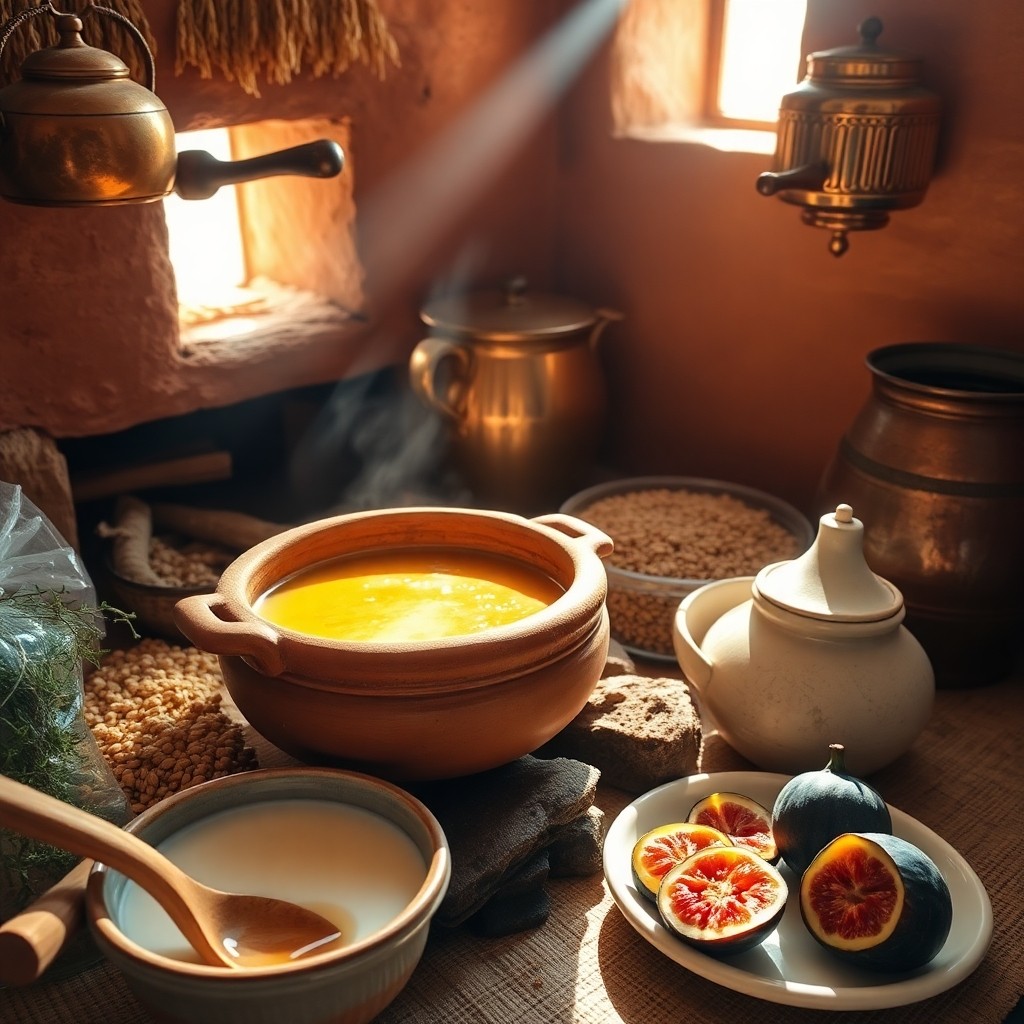
Aghroum, a hearty porridge made from barley, cracked wheat, and fermented milk, begins with rinsing three cups of barley until the water runs clear. After soaking overnight, the grains are simmered in two liters of water with a pinch of sea salt for forty minutes. Once tender, a ladle of fresh goat’s milk is stirred in, and the mixture finishes over low heat while a handful of wild thyme is sprinkled on top. Villages in the High Atlas still serve Aghroum at sunrise, pairing it with honey‑drizzed figs harvested from nearby orchards.
1.2 Arab spice caravans and the rise of the tagine
From the 9th to the 12th century, camel caravans traced routes from Fez to Timbuktu, transporting cumin seeds, coriander pods, and saffron threads across the desert. A surviving ledger from the city of Taza records that a single sack of saffron, weighing 0.5 kg, fetched the price of ten oxen in the late 11th century. The influx of these aromatics prompted cooks to experiment with slow‑braising, giving birth to the iconic earthenware tagine that seals steam and intensifies flavor.
1.3 Andalusian refugees and the sweet‑savory synthesis
Following the fall of Granada in 1492, an estimated 30,000 Muslim and Jewish families fled to Morocco, bringing almond‑ground pastries such as pastilla and gazelle horns. They introduced the technique of folding phyllo‑thin dough around spiced fillings, then dusting the final product with powdered sugar and cinnamon. This migration infused Moroccan tables with a delicate balance of sweet and savory that persists in modern celebrations.
2. Spice Routes & Flavor Economics: How Trade Shaped the Menu
2.1 The Saharan caravan: cumin, coriander, and the desert market
A 16th‑century chart reconstructed by historians shows that a typical caravan departing from Ouarzazate carried 120 kg of cumin, 80 kg of coriander, and 15 kg of pepper, supported by 40 camels and two dozen pack mules. The market price per kilogram of cumin in Marrakech rose from 12 MAD in 1550 to 45 MAD by 1600, reflecting both scarcity and growing demand among urban households.
2.2 Mediterranean sea lanes: saffron, paprika, and the port of Essaouira
An excerpt from a 1672 ledger at the Essaouira dock lists a shipment of 2 kg of saffron imported from Persia at a cost of 1,200 MAD, alongside 5 kg of smoked paprika from Algiers priced at 150 MAD. These sea‑borne spices quickly entered the royal kitchens of the Saadi dynasty, where they flavored royal couscous and ceremonial tagines.
2.3 Modern price fluctuations and their effect on home cooking
Today, a kilogram of ground cumin sells for roughly 30 MAD in the souk of Fez, while saffron commands an average of 1,200 MAD per kilogram, making it a luxury reserved for special occasions. When the global spice market experiences a 12 percent surge in saffron prices, many families substitute preserved lemon zest to maintain brightness without breaking the budget.
3. Communal Tables: Rituals, Festivities & the Social Life of Food
3.1 Friday couscous: a weekly rite of unity
Begin by steaming 500 g of semolina couscous over a pot of boiling broth infused with rosemary and bay leaf. While the grains puff, prepare a stew of seven vegetables—carrots, turnips, zucchini, pumpkin, chickpeas, onions, and tomatoes—seasoned with ras el hanout and a pinch of cinnamon. Once the stew simmers for forty minutes, ladle it over the couscous, garnish with toasted almonds, and serve on a large communal platter. Elders traditionally recite a short blessing before the first bite, reinforcing family bonds.
3.2 Ramadan Iftar & the symbolism of harira soup
Harira combines lentils, chickpeas, diced tomatoes, fresh herbs, and a blend of ginger, cinnamon, and pepper. A senior family member often shares, “Harira is the soul of the fast; its warmth revives the spirit and reminds us of generosity.” The soup is ladled into bowls at sunset, followed by dates and a glass of mint tea, marking the transition from fasting to feasting.
3.4 Weddings, harvest festivals, and the ceremonial tagine
A Marrakech wedding menu typically opens with a chilled orange‑rose salad, proceeds to a saffron‑infused chicken tagine with preserved lemons, and culminates in a honey‑drizzled orange cake. The order of service mirrors the bride’s journey: freshness, transformation, and sweet celebration. Vendors coordinate timing so that the tagine arrives still bubbling as the couple exchanges vows, symbolizing enduring heat and flavor.
4. Regional Flavors: From Atlantic Shores to Atlas Peaks
4.1 Coastal fish & preserved olives of Essaouira
Chermoula‑marinated sardines start with a paste of garlic, cumin, paprika, fresh cilantro, and lemon zest blended into two tablespoons of olive oil. The sardines are coated, left to rest for fifteen minutes, then grilled over charcoal for six minutes per side. Served alongside brined olives that have fermented for twelve months, the dish showcases the sea’s briny character.
4.2 Mountainic tagine.
4.2 Mountainic tagines with preserved lemons & wild herbs
In the High Atlas, cooks harvest endemic herbs such as thyme sauvage, dwarf rosemary, and wild mint. These are dried, crushed, and stored in ceramic jars. When preparing a lamb tagine, a handful of the herb blend is added together with preserved lemon rind, creating a perfume that echoes alpine meadows.
4.3 Desert oasis dishes: dates, camel meat, and tea rituals
Southern Morocco reports a per‑capita camel meat consumption of 2.3 kg annually, primarily during festive gatherings. Dates from the oasis of Zagora are often stuffed with almond paste and dusted with orange blossom water, then paired with a steaming pot of mint tea brewed over a charcoal brazier. The ritual of pouring tea from a height not only cools the liquid but also creates a frothy head that enhances the aroma.
Conclusion
Moroccan cuisine stands as a living chronicle of geography, history, and community. From the Berber farm‑to‑fire traditions that nourish mountain villages to the Arab spice caravans that birthed the tagine, and the Andalusian legacy of sweet‑savory pastries, each layer adds depth to the national palate. Trade routes—both Saharan caravans and Mediterranean sea lanes—brought precious aromatics that shaped everyday cooking and royal feasts alike. Communal rituals, whether the weekly Friday couscous, the restorative harira of Ramadan, or the celebratory wedding tagine, reinforce social bonds and cultural identity. Regional specialties, from Essaouira’s chermoula‑kissed sardines to the High Atlas’s herb‑infused lamb and the desert’s date‑filled hospitality, illustrate the country’s remarkable diversity. Together, these elements transform every meal into a sensory journey, inviting both locals and visitors to taste Morocco’s enduring story.