Moroccan Festivals: Celebrating Culture Through Traditions
Moroccan Festivals: Celebrating Culture Through Traditions
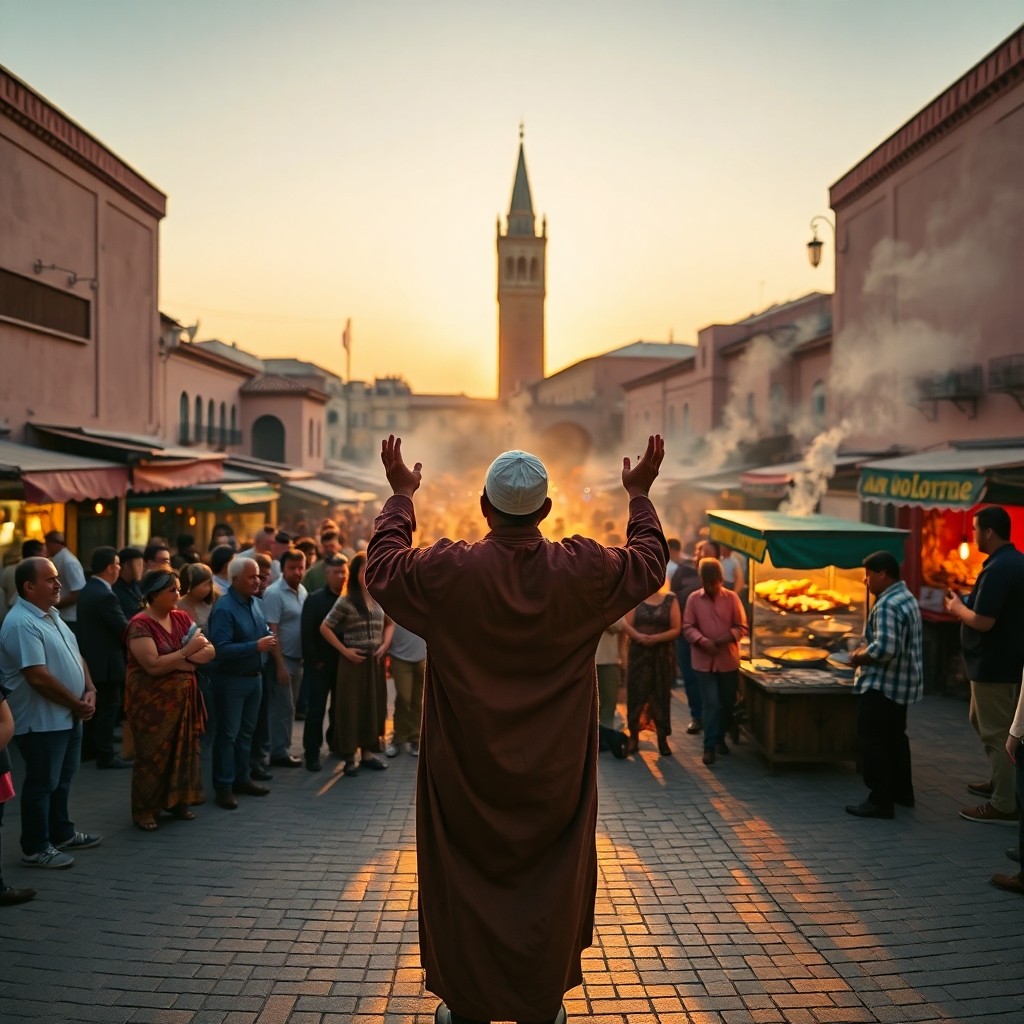
The air in the Jemaa el-Fna square thickens with the scent of cumin and sizzling lamb as dusk settles over Marrakech. A circle forms — a storyteller's voice rises above the din, his hands carving ancient tales into the twilight. Nearby, Gnawa musicians strike their metal castanets, the hypnotic guembri bassline vibrating through the cobblestones beneath your feet. Children weave between legs, clutching sticky dates and fresh msemen. This is not a staged performance for tourists. This is the living, breathing pulse of Moroccan cultural heritage, a daily festival that has animated this square for over a thousand years. Across the country, from the snow-dusted peaks of the High Atlas to the windswept Atlantic coast, these gatherings form the rhythm of daily life. They serve as a living bridge between Morocco's Berber, Arab, African, and Mediterranean roots, weaving together threads of faith, agriculture, art, and community into an experience that transforms every visitor into a participant. Here is a deep look at the specific festivals that define Morocco's calendar, revealing how each one preserves and shares the nation's identity in ways no museum ever could.
1. The Timeless Rhythms: Morocco's Seasonal and Agricultural Festivals
Morocco's agricultural calendar has dictated the rhythm of celebration for millennia. Long before modern music stages and international headliners, communities gathered to mark the harvest, honor the land, and strengthen the bonds that held them together through harsh mountain winters and scorching desert summers. These Moroccan harvest festivals remain some of the most authentic windows into Berber traditions still practiced today.
1.1 The Imilchil Marriage Festival (Souk Aam)
*A striking editorial photograph capturing the living cultural heartbeat of Jemaa el-Fna square — storytellers, Gnawa musicians, and food stalls bathed in golden dusk light.*
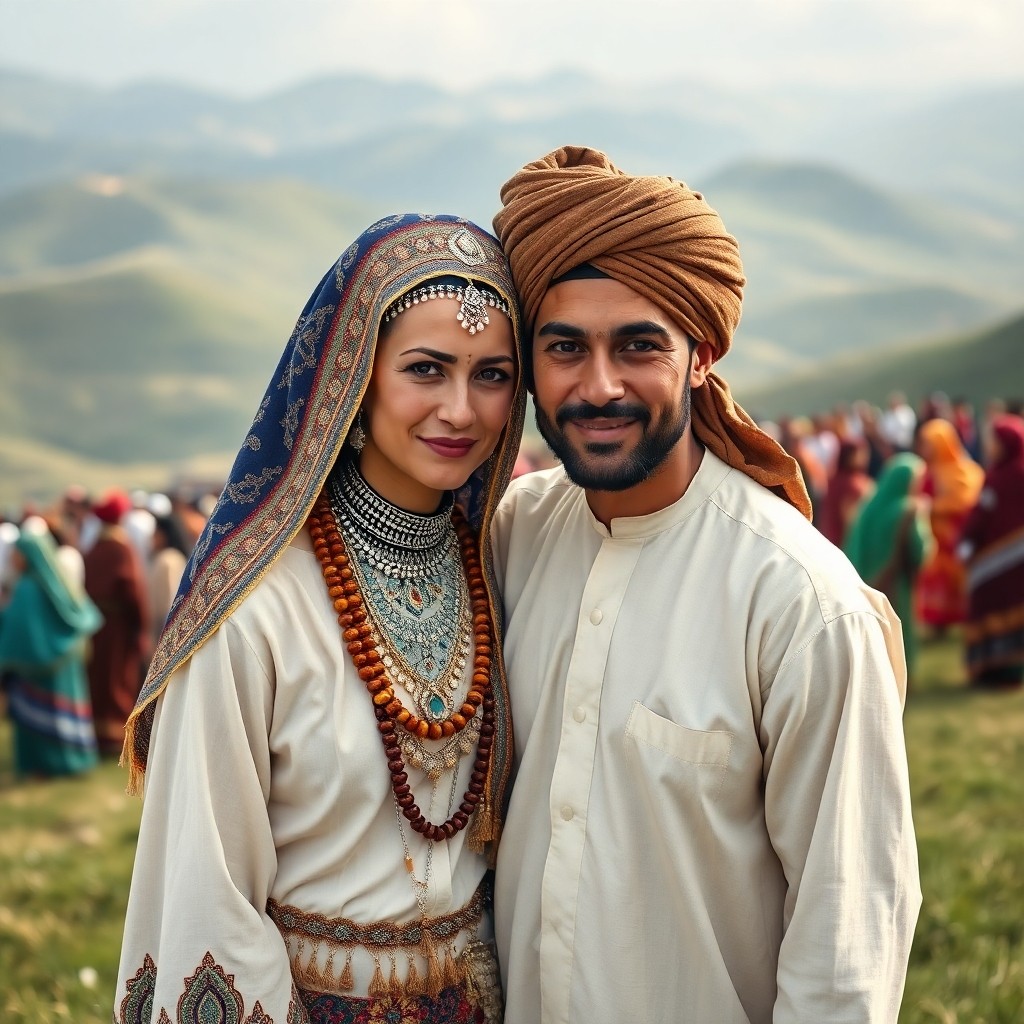
High in the Middle Atlas Mountains, the town of Imilchil hosts one of Morocco's most extraordinary gatherings each September. The festival traces its origin to a tragic Berber legend: two young lovers from rival tribes were forbidden to marry, and their grief was so profound that their tears formed two nearby lakes — Isli and Tislit. Their families, moved by the tragedy, declared that once a year, members of different tribes could meet freely to find partners. Today, the Souk Aam brings together thousands of Ait Hadiddou tribespeople for a multi-day celebration of matchmaking, music, and communal feasting. Young men and women dress in their finest traditional Berber attire — women adorn themselves with heavy silver jewelry, amber necklaces, and indigo-dyed headscarves, while men wear white djellabas and turbans. The festival functions as a genuine social marketplace: families negotiate marriages over shared meals of tagine and couscous, accompanied by the rhythmic drumming and call-and-response singing of Ahidous dance troupes. The 2025 edition is expected to take place in mid-September in Imilchil, located approximately 80 kilometers from Azrou in the Middle Atlas region.
1.2 Almond Blossom and Rose Festivals: Celebrating Morocco's Natural Abundance
When spring arrives in Morocco, the landscape erupts in color — and the festivals follow. The Tafraout Almond Blossom Festival, held each February in the Anti-Atlas town of Tafraout, celebrates the brief but spectacular blooming of almond trees against a backdrop of pink granite mountains. Local cooperatives showcase almond-based products, from amlou (a rich almond-honey paste) to cosmetic oils, while Berber dance troupes perform in the town square. A few months later, in mid-May, the Kelaat M'Gouna Rose Festival transforms the Dades Valley town into a fragrant paradise. The Damascus rose harvest is the economic lifeblood of this region — Morocco produces approximately 4,500 tons of roses annually, with the Kelaat M'Gouna area accounting for the majority. The festival draws over 30,000 visitors each year, generating significant revenue for local distilleries that produce rosewater, essential oils, and perfumes sold across North Africa and Europe. Parades of flower-decorated floats wind through narrow streets, while visitors can tour distilleries to witness the traditional steam-distillation process that has remained unchanged for generations.
*A candid documentary-style portrait of an Amazigh bride and groom in full traditional wedding attire at the Imilchil Marriage Festival, set against the Middle Atlas highlands.*
2. The Spiritual Soundscape: Religious and Mystical Festivals
Morocco's spiritual landscape is as diverse as its geography. From the nationwide joy of Eid celebrations to the deeply mystical atmosphere of Sufi moussems, religious festivals in Morocco blur the line between devotion and celebration, creating experiences that resonate on both a communal and deeply personal level.
2.1 Eid Celebrations and the Moulay Idriss Moussem
Eid al-Fitr and Eid al-Adha are celebrated across Morocco with universal fervor — families gather for elaborate feasts, children receive new clothes and gifts, and the streets hum with a collective joy that transcends social class. But for a more intimate spiritual experience, the Moulay Idriss Moussem offers something profoundly different. Held each September in the holy town of Moulay Idriss Zerhoun, just outside Meknes, this pilgrimage honors Moulay Idriss I, the founder of Morocco's first Islamic dynasty and the grandson of the Prophet Muhammad. Thousands of devotees ascend the steep hillside town to visit the saint's mausoleum, participating in nights of Quranic recitation, Sufi chanting, and communal meals. The moussem fuses religious devotion with the warmth of a village celebration — storytellers recount the saint's miracles, vendors sell honeyed chebakia pastries, and the air fills with the scent of burning Moroccan incense and oud. It is a reminder that Moroccan religious festivals are not austere affairs but vibrant expressions of faith rooted in community.
2.2 The Fes Festival of World Sacred Music: A Global Spiritual Dialogue
Each June, the ancient medina of Fes becomes the stage for one of the world's most ambitious cultural events. The Fes Festival of World Sacred Music, founded in 1994, brings together musicians, scholars, and spiritual leaders from every continent for a week-long exploration of sacred traditions through performance. The festival's mission is explicit: to foster interfaith and cross-cultural understanding through the universal language of music. Performances take place in stunning venues across the city, including the Bab Makina Palace, a 19th-century royal residence whose courtyard transforms into an open-air concert hall. Past editions have featured Sufi whirling dervishes from Turkey, Gregorian chant ensembles from France, Hindu devotional singers from India, and Malian griots — all sharing stages and engaging in dialogue between sets. The festival also includes a daytime forum where philosophers and religious leaders discuss themes of peace, tolerance, and spiritual coexistence. As one past organizer described it, "The Fes Festival proves that sacred music is not a relic of the past but a living force capable of building bridges between civilizations."
3. The Pulse of the Arts: Contemporary Music and Performance Festivals
Morocco's contemporary festival scene has exploded in recent decades, positioning the country as a major player on the global music circuit. These events attract millions of attendees and generate significant international attention, but they also spark important conversations about cultural identity, authenticity, and the role of tradition in a modernizing society.
3.1 Mawazine: Morocco's Answer to the World Stage
Mawazine (officially "Rhythms of the World") is, by sheer scale, one of the largest music festivals on the African continent. Held annually in Rabat over nine days in early-to-mid June, the festival draws an estimated 2.5 million attendees across multiple stages. The main stage at the Ould Abou Boulevard has hosted some of the biggest names in global music — Rihanna, Stevie Wonder, Mariah Carey, and Kanye West have all performed, alongside Moroccan icons like Saad Lamjarred, Hindi Zahra, and the legendary Nass El Ghiwane. The festival's dual mandate is both its strength and its source of controversy: while the international stages bring global pop and rock superstars, the Volubilis stage is dedicated exclusively to traditional Moroccan and African music, featuring Amazigh folk groups, Andalusian orchestras, and Sufi brotherhoods. Critics argue that the festival prioritizes commercial appeal over cultural authenticity, while supporters point to its role in democratizing access to world-class music for millions of Moroccans who might never attend a concert otherwise. Regardless of where you stand on the debate, Mawazine's impact on Morocco's cultural landscape is undeniable.
3.2 The Gnaoua World Music Festival: Trance, Healing, and Fusion
Every June, the coastal city of Essaouira — a UNESCO World Heritage site known for its whitewashed ramparts and bohemian atmosphere — hosts the Gnaoua World Music Festival. This event is rooted in one of Morocco's most fascinating musical traditions. Gnaoua music originated with enslaved West Africans brought to Morocco centuries ago, evolving into a spiritual healing practice centered on the "lila" — an all-night ceremony of music, dance, and invocation designed to cleanse participants of negative spirits. The modern festival preserves this sacred core while adding a contemporary dimension: Gnaoua maalems (master musicians) collaborate with international jazz, rock, and electronic artists in free public concerts held throughout the city. The fusion format has produced remarkable collaborations — Gnaoua guembri players trading solos with jazz saxophonists, or electronic producers layering trance-inducing guembri loops over deep house beats. A traditional Gnaoua ritual follows a specific structure: the ceremony begins with an animal sacrifice to open the spiritual space, followed by an invocation of seven mlouk (spirit entities), each associated with a specific color, rhythm, and incense. Participants enter trance states as the music intensifies through the night, culminating in a communal dawn prayer. The festival has been instrumental in revitalizing Essaouira's cultural identity and tourism economy, drawing over 500,000 visitors annually.
4. The Artisan's Stage: Craft and Heritage Preservation Festivals
Beyond music and spirituality, Morocco's festivals serve as vital platforms for preserving traditional crafts, folk arts, and the livelihoods of rural communities. These events function as living museums, ensuring that skills passed down through generations continue to thrive in a rapidly modernizing world.
4.1 The Marrakech Popular Arts Festival
Held each July, the Marrakech Popular Arts Festival is a kaleidoscopic showcase of Morocco's folk traditions. The festival's centerpiece is the Fantasia — a breathtaking display of synchronized horsemanship in which riders in traditional dress charge in perfect formation, raise their rifles, and fire in unison. The precision required is extraordinary: a single misstep by horse or rider can disrupt the entire line. Beyond the Fantasia, the festival features Berber Ahidous dance troupes, traveling storytellers known as Hlayqi who perform epic tales in the Jemaa el-fna style, and artisans demonstrating traditional crafts from pottery to carpet weaving. For rural performers and craftspeople, the festival provides a crucial economic platform — many depend on festival income to sustain their practices throughout the year. The event also plays a role in Morocco's broader strategy of promoting traditional crafts as both a cultural treasure and an economic asset, with artisan cooperatives reporting significant increases in orders following festival exposure. Visitors looking to bring home a piece of this heritage can find a handmade Moroccan leather pouf or other authentic artisan goods from specialty retailers.
4.2 Sefrou Cherry Festival: A Model of Local Pride and Unity
The Sefrou Cherry Festival, held each June in the small town of Sefrou near Fes, is a masterclass in how a hyper-local celebration can carry national significance. Sefrou has been Morocco's cherry capital for over a century, and the festival — which dates back to 1920 — was historically celebrated by the town's Muslim, Jewish, and Christian communities together, making it a powerful symbol of interfaith harmony. Today, the festival features carnival parades, musical performances, and the crowning of the Cherry Queen, a tradition that draws participants from across the region. The event generates substantial revenue for local cherry farmers and has become a model for other Moroccan towns seeking to leverage agricultural heritage for tourism development. What makes Sefrou remarkable is its authenticity — this is not a festival designed for international tourists but a genuine community celebration that happens to welcome the world.
5. Practical Guide: Experiencing Moroccan Festivals as a Traveler
Attending a Moroccan festival requires more than just showing up. The most rewarding experiences come from strategic planning, cultural sensitivity, and a willingness to step outside your comfort zone. Here is what you need to know to make the most of Morocco's festival calendar.
5.1 Navigating the Festival Calendar: A Strategic Overview
Morocco's festival calendar is packed year-round, but certain months offer particularly rich concentrations of events. **February** brings the Tafraout Almond Blossom Festival. **May** is dominated by the Kelaat M'Gouna Rose Festival. **June** is the busiest month — Mawazine in Rabat, the Gnaoua Festival in Essaouira, the Fes Festival of World Sacred Music, and the Sefrou Cherry Festival all occur within weeks of each other. **September** features the Imilchil Marriage Festival and the Moulay Idriss Moussem. **July** hosts the Marrakech Popular Arts Festival. To maximize your experience, choose one or two festivals and build your itinerary around them rather than trying to cram multiple events into a single trip. Morocco's compact size makes it possible to combine a festival visit with exploration of nearby cities and landscapes. Budget-conscious travelers should note that accommodation prices in festival cities can rise by 30–50% during peak events, with hotel rooms in Essaouira during the Gnaoua Festival often exceeding 1,500 MAD per night compared to off-season rates of approximately 600 MAD.
5.2 Cultural Etiquette and Immersion Tips
Respectful participation begins with understanding local norms. At religious festivals and moussems, dress modestly — cover your shoulders and knees, and women should carry a scarf for visits to sacred sites. Always ask permission before photographing people, particularly during spiritual ceremonies. At music festivals, the line between performer and audience is often blurred — do not be surprised if you are invited to dance or join a circle. Book accommodations and transportation at least two to three months in advance for major events like Mawazine and the Gnaoua Festival, as hotels in Rabat and Essaouira fill up quickly. For a deeper connection, learn a few phrases in Darija (Moroccan Arabic) or Tamazight (Berber). A simple "Salam alaikum" (peace be upon you) or "Shukran" (thank you) goes a long way in opening doors and hearts. Travelers looking to prepare for their Moroccan adventure can explore Kenzadi for curated Moroccan home and lifestyle products, and pick up authentic Moroccan Kessa exfoliating mitts to experience a traditional hammam ritual even after you return home.
Conclusion: The Living Heartbeat of Moroccan Identity
Morocco's festivals are an open invitation to step into something larger than sightseeing. These gatherings are not spectacles designed for passive observation but participatory experiences that connect you to the spiritual, artistic, and communal heartbeat of a nation. Whether you find yourself swept into a Sufi trance in Fes, dancing to Gnaoua rhythms under the stars in Essaouira, or sharing a tagine with Berber families in the Atlas Mountains, you will discover that Morocco's celebrations offer something increasingly rare in modern travel: genuine human connection. The diversity of experiences — from sacred music to harvest celebrations, from ancient matchmaking rituals to contemporary world stages — ensures that no two visits are ever the same. Build your journey around a festival. Let the music, the food, the stories, and the people transform your understanding of what travel can be. Morocco's calendar is waiting — and it has a date with you.
Frequently Asked Questions (FAQ)
**What is the most famous festival in Morocco?**
The Mawazine Festival in Rabat is arguably the most famous, drawing millions of attendees with its massive international lineup. For cultural depth, the Fes Festival of World Sacred Music and the Gnaoua World Music Festival in Essaouira are globally renowned.
**When is the best time of year to experience Moroccan festivals?**
There is no single "best" time, as festivals occur year-round. Spring (April-June) is ideal for harvest festivals (Roses, Almonds) and the Fes Festival, while summer (June-August) features major music events like Mawazine and Gnaoua.
**What is a traditional Moroccan harvest festival?**
The Kelaat M'Gouna Rose Festival is a prime example, celebrating the Damascus rose harvest in the Dades Valley with parades, music, and the production of rosewater. The Tafraout Almond Blossom Festival is another key celebration.
**Can tourists participate in Moroccan religious festivals?**
Yes, tourists can respectfully observe and participate in many aspects of religious festivals like Eid celebrations and music-focused moussems. However, participation in certain sacred rituals may be restricted. Observing local etiquette and dressing modestly is essential.
**How does the Imilchil Marriage Festival work?**
The Imilchil Marriage Festival is an annual social gathering in the Atlas Mountains where Berber tribespeople meet, celebrate, and find marriage partners. It features traditional music, dancing, communal meals, and a formal matchmaking process, rooted in a local legend of star-crossed lovers.
**Meta Description:** Discover Morocco's most vibrant festivals — from the Gnaoua trance ceremonies in Essaouira to the Rose Festival in the Dades Valley. Plan your cultural journey today.