
Moroccan Argan Oil Benefits: Nature'S Elixir
Moroccan Argan Oil Benefits: Nature's Elixir
In the sun-scorched Souss-Massa region of southwestern Morocco, Berber women gather around stone mills at dawn, cracking argan nuts between two rocks with practiced precision. Each nut yields a single kernel — and it takes roughly 30 kilograms of these kernels to produce just one liter of pure argan oil. This labor-intensive process, passed down through generations, produces what locals have long called "liquid gold Morocco." The global argan oil market is projected to reach $507 million by 2030, according to Grand View Research, driven by surging demand across beauty, culinary, and pharmaceutical industries. Yet most consumers only scratch the surface of what this remarkable oil can do. Beyond the basic moisturizer label, Moroccan argan oil benefits span deep skin barrier repair, hair shaft restoration, cardiovascular support, and anti-inflammatory wellness applications. This article breaks down the science-backed, lesser-known advantages of argan oil across skincare, haircare, nutrition, and daily health — and shows you how to choose a product that actually delivers.
1. What Makes Moroccan Argan Oil Unique: Composition & Sourcing### 1.1 The Nutritional Profile That Sets It Apart
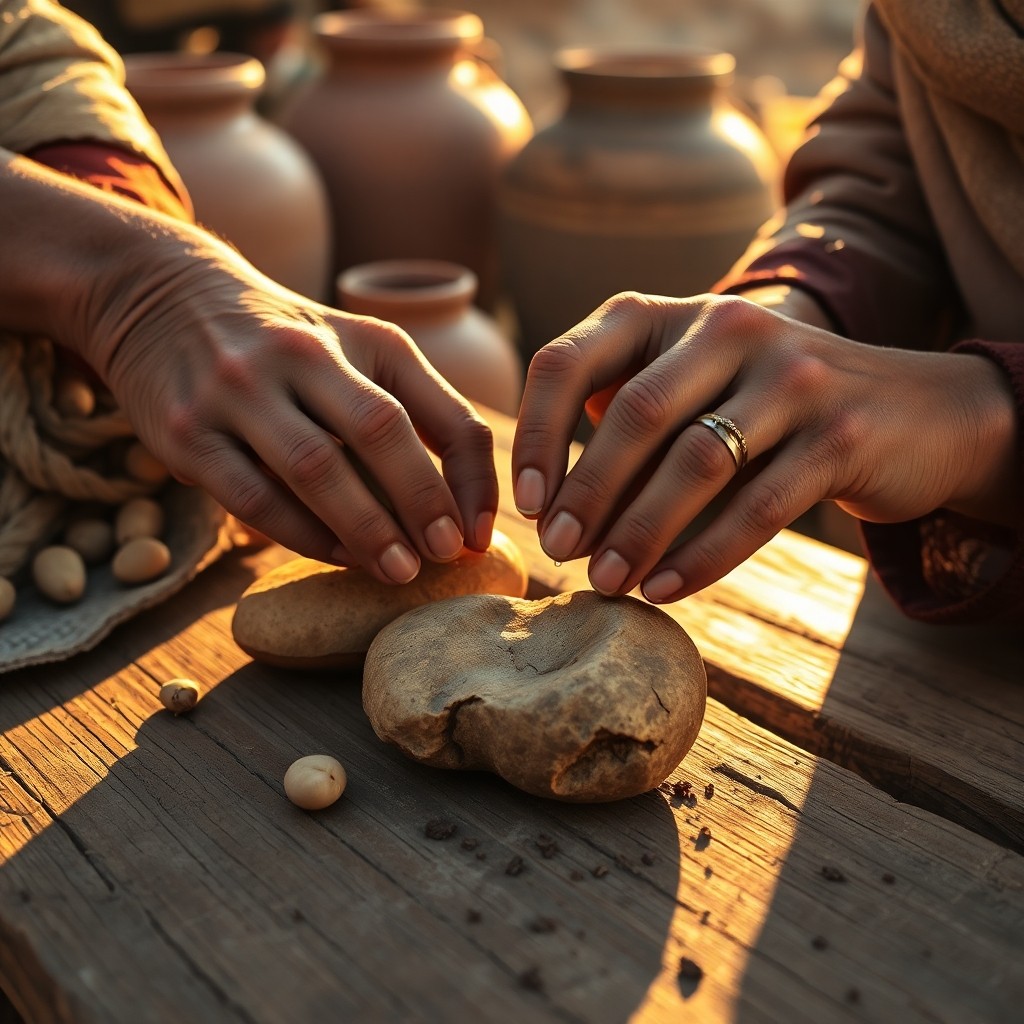
*A close-up scene of Berber women using traditional stone mills to crack argan nuts, highlighting the labor-intensive process behind pure Moroccan argan oil.*
Argan oil's potency comes from a fatty acid composition that no other single oil replicates. It contains approximately 43–49% oleic acid (omega-9) and 29–36% linoleic acid (omega-6), creating a balance that supports both deep penetration and surface-level protection. Virgin argan oil quality is further defined by its vitamin E concentration — roughly 620–920 mg/kg of tocopherols, predominantly alpha- and gamma-tocopherol — which exceeds olive oil by nearly double. Add squalene (up to 0.3%), polyphenols, and sterols like schottenol and spinasterol, and you have a compound profile that functions simultaneously as an emollient, antioxidant, and anti-inflammatory agent.
Cold-pressed extraction is the single most critical factor in preserving these bioactive compounds. Heat-based extraction degrades tocopherols and oxidizes unsaturated fatty acids, stripping the oil of its therapeutic value. Authentic Moroccan food specialties like culinary argan oil retain their full spectrum of nutrients because the kernels are pressed at temperatures below 50°C, ensuring that heat-sensitive polyphenols and vitamin E remain intact. This same principle of cold-pressed extraction applies to other premium Moroccan oils as well, including cold-pressed Moroccan extra virgin olive oil.
**Fatty Acid Comparison Table:**
| Fatty Acid | Argan Oil | Coconut Oil | Olive Oil | Jojoba Oil | |---|---|---|---|---| | Oleic Acid (Omega-9) | 43–49% | 6–8% | 55–83% | 10–13% | | Linoleic Acid (Omega-6) | 29–36% | 1–3% | 3.5–21% | ~5% | | Palmitic Acid | 12–16% | 8–11% | 7.5–20% | ~3% | | Stearic Acid | 3–7% | 2–4% | 0.5–5% | <1% |
This table reveals why argan oil occupies a unique niche: its high linoleic acid content makes it ideal for acne-prone and barrier-compromised skin, while its oleic acid provides the deep nourishment typically associated with heavier oils.
1.2 The Artisanal Sourcing Process in Morocco
The journey from tree to bottle follows a meticulous sequence that has remained largely unchanged for centuries. First, argan fruits are hand-harvested between June and August, when they fall naturally from the trees. The pulp is removed, and the incredibly hard nuts are sun-dried for several weeks. Women then crack each nut between two stones — a single worker can process about 10 kilograms of kernels in an entire day. The kernels are stone-ground into a paste, which is then cold-pressed to extract the oil.
This process is deeply tied to the social fabric of Morocco. Women's cooperatives, many of which are UNESCO-recognized as part of the intangible cultural heritage of argan oil production, employ thousands of rural women and provide fair wages, literacy programs, and healthcare access. Fatima El Mghari, a cooperative leader in the Tnine Aglou region, has described how the cooperative model transformed her community: "Before the cooperative, women had no income of their own. Now we own the process from start to finish." When you buy argan oil sourced from these cooperatives, you are directly supporting economic empowerment in one of Morocco's most underserved regions.
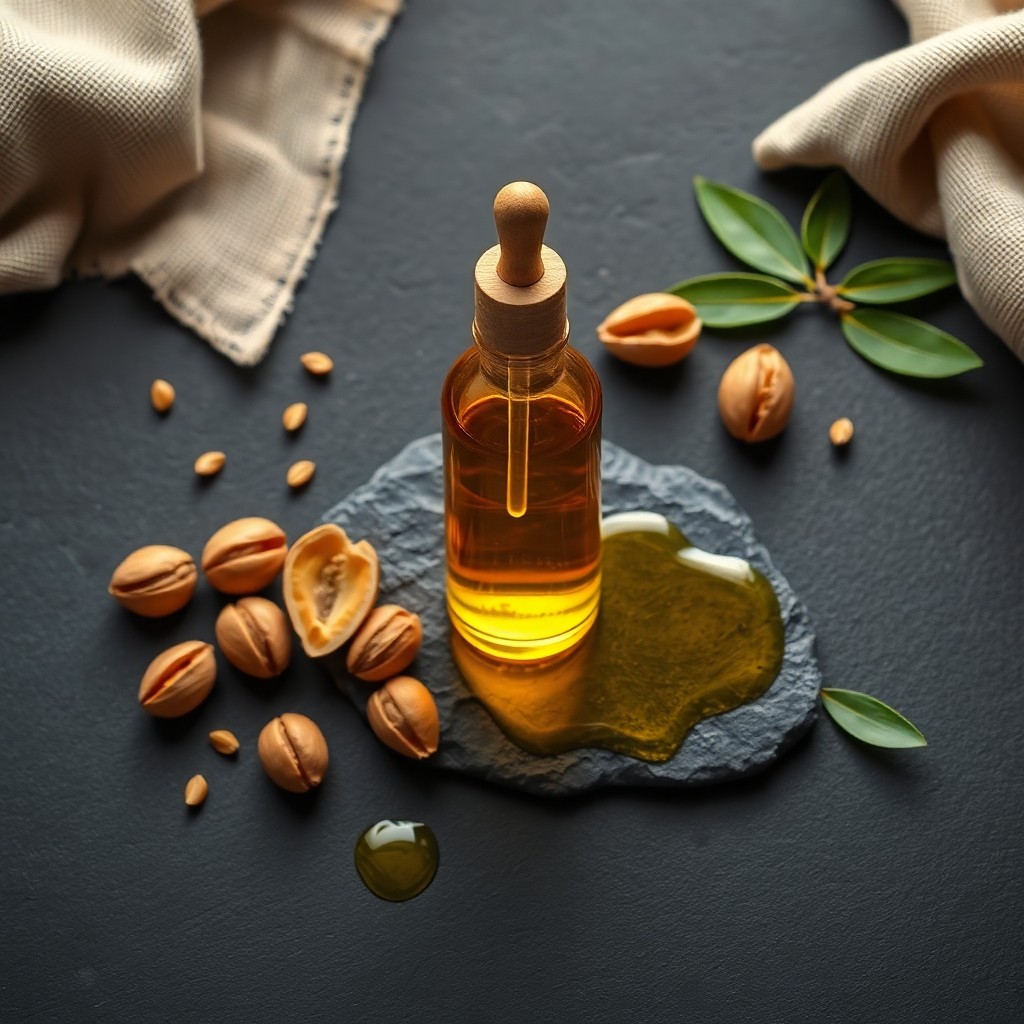
*A styled flat lay showing a bottle of pure Moroccan argan oil alongside raw argan nuts, kernels, and leaves, emphasizing the natural sourcing of the product.*
2. Skincare Benefits: Beyond Basic Moisturization### 2.1 How Argan Oil Repairs the Skin Barrier
The skin barrier — the outermost layer of the epidermis — relies on ceramides, cholesterol, and free fatty acids to maintain hydration and block irritants. When linoleic acid levels drop, the barrier weakens, leading to transepidermal water loss, sensitivity, and conditions like eczema and rosacea. Argan oil's 29–36% linoleic acid content directly replenishes this deficit. Research published in *Clinical, Cosmetic and Investigational Dermatology* demonstrated that topical application of argan oil significantly improved skin elasticity and hydration in postmenopausal women over a 60-day period. The study measured a measurable increase in net skin elasticity and a reduction in transepidermal water loss, confirming that argan oil does more than sit on the surface — it actively rebuilds barrier function.
For individuals with eczema, argan oil's anti-inflammatory polyphenols help calm the chronic immune response that drives flare-ups. Its non-comedogenic rating of 0–1 on the comedogenic scale means it will not clog pores, making it safe even for reactive skin types.
2.2 Argan Oil as an Anti-Aging Powerhouse
Free radicals generated by UV exposure, pollution, and metabolic stress break down collagen and elastin fibers, leading to fine lines, sagging, and hyperpigmentation. Anti-aging argan oil works on multiple fronts: its vitamin E content neutralizes reactive oxygen species, while ferulic acid — a phenolic compound present in argan oil — stabil E and doubles their photoprotective capacity. A 2014 study in *Evidence-Based Complementary and Alternative Medicine* found that argan oil application increased skin elasticity and improved the appearance of fine lines by supporting dermal collagen density.
**3-Step Evening Skincare Protocol Using Argan Oil:**
1. **Cleanse and tone** — Use a gentle, pH-balanced cleanser and alcohol-free toner to prep the skin. 2. **Apply 2–3 drops of cold-pressed argan oil** — Warm the oil between your palms and press (don't rub) into damp skin to lock in moisture. 3. **Seal with a moisturizer** — Layer a ceramide-rich cream over the oil to create an occlusive barrier that prevents overnight water loss.
This routine maximizes absorption and gives the fatty acids and antioxidants time to work during the skin's natural repair cycle, which peaks between 11 PM and 2 AM.
3. Hair & Scalp Transformation: Science Meets Tradition### 3.1 Repairing Damaged and Chemically Treated Hair
Heat styling, chemical relaxers, and color treatments strip the hair cuticle of its natural lipid layer, leaving the cortex exposed and vulnerable to breakage. Argan oil for hair growth and repair works because its oleic acid molecules are small enough to penetrate the hair shaft rather than merely coating the surface. Once inside the cortex, oleic acid restores lipid content, reduces porosity, and improves tensile strength. A 2013 study published in *Journal of Cosmetic Dermatology* found that argan oil pre-treatment significantly reduced heat-induced damage in hair samples exposed to temperatures up to 220°C.
For curly and coily hair types, which are naturally more prone to dryness due to the shape of the hair follicle preventing sebum from traveling down the shaft, argan oil provides lightweight moisture without weighing curls down. Professional stylist Amal El-Masri, who specializes in textured hair care in Casablanca, notes: "I've seen clients with years of heat damage regain shine and elasticity within six weeks of consistent argan oil treatments. The key is using it on damp hair, not dry — that's when absorption is highest."
3.2 Scalp Health and Hair Growth Support
An unhealthy scalp — whether plagued by dandruff, excess sebum, or inflammation — directly impacts hair growth. Argan oil's anti-inflammatory properties, driven by its polyphenol and sterol content, help regulate sebum production and calm irritated follicles. For dandruff caused by Malassezia yeast overgrowth, argan oil creates an environment less conducive to fungal proliferation by restoring the scalp's natural pH balance.
**DIY Scalp Treatment Recipe:**
- 2 tablespoons cold-pressed argan oil - 3 drops tea tree essential oil (antifungal) - 2 drops rosemary essential oil (stimulates circulation)
Warm the mixture slightly and massage into the scalp using circular motions for 5 minutes. Leave on for 30 minutes or overnight, then shampoo out. Use twice weekly for visible improvement in flaking and itchiness within three weeks. A 2019 pilot study in *Trichology & Cosmetology* referenced improvements in scalp hydration and reduced erythema among participants using argan oil-based scalp treatments over an eight-week period.
4. Nutritional & Culinary Benefits: Edible Argan Oil### 4.1 Cardiovascular and Metabolic Health
Culinary argan oil benefits extend far beyond flavor. The sterols unique to argan oil — schottenol and spinasterol — are not found in any other common edible oil. These phytosterols compete with dietary cholesterol for absorption in the intestines, effectively lowering LDL cholesterol levels. A landmark 2013 clinical study published in *British Journal of Nutrition* found that regular consumption of culinary argan oil (15 g/day for 30 days) significantly reduced LDL cholesterol and increased HDL cholesterol in healthy adults. Participants also showed improved markers of antioxidant status, suggesting systemic protection against oxidative stress.
The anti-inflammatory properties of argan oil's polyphenols also benefit joint health. Regular dietary intake has been associated with reduced markers of inflammation, including C-reactive protein, which is linked to arthritis and cardiovascular disease.
4.2 How to Use Culinary Argan Oil Safely
Not all argan oil belongs in your kitchen. Cosmetic-grade argan oil is made from untoasted kernels and should never be consumed. Culinary argan oil is produced from kernels that are lightly roasted before pressing, giving it a nutty, hazelnut-like flavor. Always look for food-grade labeling and ensure the oil is stored in dark glass bottles to prevent oxidation.
**Traditional Amlou: 3-Ingredient Moroccan Spread**
- 250 g toasted almonds - 150 ml culinary argan oil - 100 g raw honey
Grind the almonds into a paste, then slowly incorporate the argan oil while mixing. Fold in the honey until smooth. Serve with fresh bread for breakfast. This spread delivers a concentrated dose of healthy fats, vitamin E, and antioxidants in every serving.
Drizzle culinary argan oil over salads, couscous, or tagines as a finishing oil — never cook with it, as heat destroys its delicate fatty acids and sterols.
5. How to Choose Authentic, High-Quality Argan Oil### 5.1 Red Flags: Spotting Diluted or Fake Argan Oil
The argan oil market is rife with adulteration. Common adulterants include mineral oil, soybean oil, sunflower oil, and synthetic fragrances designed to mimic argan oil's mild nutty scent. Here is your label-reading checklist for how to buy pure argan oil:
- **INCI name:** The only ingredient should list *Argania Spinosa Kernel Oil*. Any additional oils, silicones, or fragrance compounds indicate dilution. - **Origin claim:** Authentic argan oil must originate from Morocco. Labels stating "made with Moroccan argan oil" but listing a different country of manufacture are red flags. - **Extraction method:** Look for "cold-pressed" or "mechanically pressed." Solvent-extracted oil loses its bioactive compounds. - **Color and scent:** Pure argan oil ranges from pale golden to deep amber and has a faint, nutty aroma. A strong rancid smell or completely clear appearance suggests refinement or adulteration. - **Price:** Genuine cold-pressed argan oil costs a minimum of $15–20 for a 50 ml bottle. Anything significantly cheaper is almost certainly diluted.
5.2 Certifications and Ethical Buying Guide
Argan oil certification provides an additional layer of assurance. Look for USDA Organic, ECOCERT, or organic certification logos on the packaging, which verify that the argan fruits were grown without pesticides and processed without chemical solvents. Fair-trade labels ensure that the women who cracked the nuts and pressed the oil received equitable compensation.
Brands that source directly from Moroccan women's cooperatives — such as those affiliated with the Union des Coopératives des Femmes de l'Arganeraie — offer the most transparent supply chains. When evaluating products, prioritize those that name their cooperative partners, provide batch traceability, and use dark glass packaging to protect the oil from light degradation. For those seeking premium Moroccan grooming products and argan oil-based formulations, look for brands that transparently share their sourcing story and extraction methods. A great example is the cedarwood nutmeg scented beard oil, which showcases how traditional argan oil can be blended into modern grooming essentials.
Conclusion
Moroccan argan oil benefits span far beyond what most consumers realize. From repairing compromised skin barriers and reversing heat-damaged hair to lowering cholesterol and supporting joint health, this single oil delivers a remarkable range of science-backed results. The key to unlocking these benefits lies entirely in sourcing: cold-pressed, unadulterated oil from ethical Moroccan cooperatives will always outperform mass-market alternatives. As the Berber women of the Souss-Massa region have known for centuries, the value of argan oil is not in marketing — it is in the meticulous, unhurried process of extraction that preserves every drop of its bioactive power. The argan forest itself, a UNESCO Biosphere Reserve since 1998, covers approximately 800,000 hectares of Moroccan land and supports the livelihoods of over three million people. Your purchasing choices directly impact the preservation of this irreplaceable ecosystem. Have you tried argan oil in your skincare or cooking routine? Share your experience in the comments below, or pass this article along to someone who deserves to know what "liquid gold" truly means.
FAQ Section (Featured Snippet Targeting)
**Is Moroccan argan oil good for acne-prone skin?**
Yes. Argan oil has a comedogenic rating of 0–1, meaning it is highly unlikely to clog pores. Its high linoleic acid content (29–36%) helps regulate sebum production and repair the skin barrier, which is often compromised in acne-prone individuals. Apply 1–2 drops to clean, damp skin as a lightweight moisturizer.
**Can argan oil be used on all hair types?**
Absolutely. Fine hair benefits from 1–2 drops applied to ends only, while thick, curly, or coily hair can handle a more generous application from mid-shaft to ends. Even oily hair types oil as a pre-shampoo scalp treatment to regulate sebum production without adding surface grease.
**What is the difference between cosmetic and culinary argan oil?**
Cosmetic-grade argan oil is pressed from raw, untoasted kernels and is intended for topical use only. Culinary argan oil is made from lightly roasted kernels, giving it a nutty flavor suitable for food. Never consume cosmetic-grade oil, and never apply culinary-grade oil to your skin if it contains added flavorings or has been heated.
**How long does it take to see results from using argan oil?**
For skin, most users notice improved hydration and texture within 2–4 weeks of daily use. For hair, visible improvements in shine, reduced breakage, and scalp health typically appear within 4–8 weeks of consistent application. Nutritional benefits from dietary consumption may take 4–6 weeks to reflect in blood markers like cholesterol levels.
**Is argan oil sustainable to produce?**
Yes, when sourced responsibly. Morocco's argan forests are a UNESCO Biosphere Reserve, and reforestation efforts have planted millions of new trees since 2000. Women's cooperatives practice sustainable harvesting by collecting fallen fruits rather than cutting branches. Choosing fair-trade, cooperative-sourced argan oil directly supports both environmental conservation and rural economic development.
**Meta Description:** Discover the science-backed Moroccan argan oil benefits for skin, hair, and health. Learn how to choose authentic cold-pressed argan oil and use it effectively.