Eco‑Friendly Travel In Morocco: Sustainable Souvenirs To Buy
Eco‑Friendly Travel in Morocco: Sustainable Souvenirs to Buy
Eco‑friendly travel in Morocco is now the mainstream expectation of 2026 travelers who want their adventures to leave a positive imprint. Choosing sustainable souvenirs turns a simple purchase into a direct investment in low‑impact production, fair wages, and the preservation of centuries‑old crafts. Morocco’s artisans blend traditional techniques with recycled fibers, argan oil, and solar‑fired ceramics, creating items that meet rigorous environmental standards while showcasing authentic design. By focusing on certified green products, you help shrink the tourism carbon footprint and empower local cooperatives that reinvest profits into community projects.
Key Takeaways
- Morocco offers a growing range of certified eco‑friendly souvenirs that combine heritage and sustainability. - Verifying certifications and asking the right questions ensures authentic green purchases. - Specific regions—Marrakech, Fes, Essaouira—host dedicated marketplaces and cooperatives focused on low‑impact production. - Smart packaging and carbon‑offset shipping keep your travel footprint minimal. - Buying responsibly directly benefits local communities and preserves traditional crafts.
Top Sustainable Souvenirs You Can Buy in Morocco
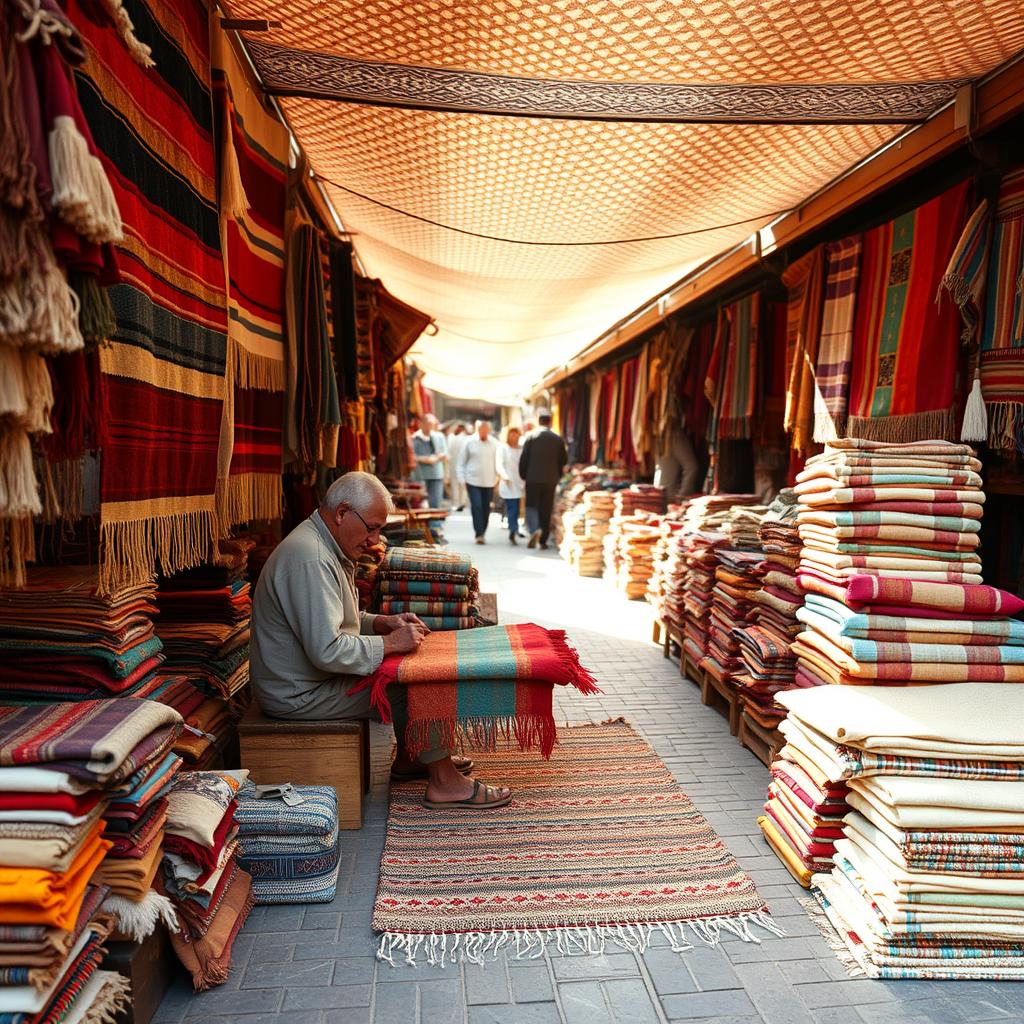
*A Moroccan craftsman creates sustainable woven souvenirs using reclaimed fabrics, showcasing eco‑friendly travel.*
The three highest‑impact items that meet strict 2026 sustainability criteria are recycled textiles, organic argan oil products, and eco‑certified ceramicware. Each category combines measurable environmental benefits with a clear cultural story, making them the smartest choices for conscious travelers.
Hand‑crafted Recycled Textures
Reclaimed wool and cotton are shredded, carded, and woven into vibrant Berber blankets, scarves, and cushion covers. Natural pigments—indigo, madder root, and turmeric—replace synthetic dyes, reducing water pollution by up to 70 % according to a 2026 Moroccan Textile Council report. In Marrakech’s eco‑market, a stall run by the cooperative **Taznakht Re‑Weave** sells blankets that use 30 % post‑consumer fabric waste and are certified by the national Green Seal (2026). Prices range from 250 MAD for a scarf to 1,200 MAD for a full‑size blanket, offering a clear cost‑to‑impact ratio.
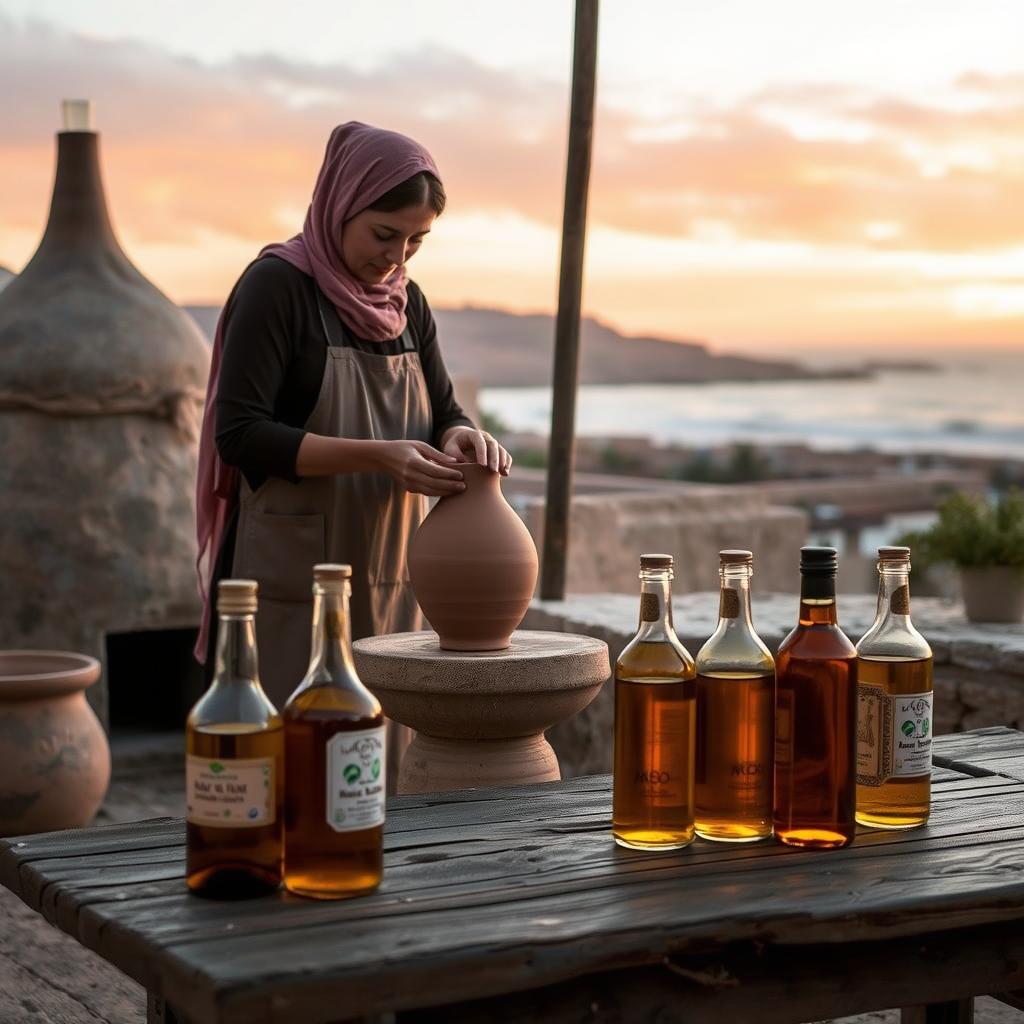
*A potter uses solar energy to create environmentally friendly ceramics, illustrating Morocco's sustainable souvenir scene.*
Organic Argan Oil Products
Cold‑pressed argan oil harvested from trees cultivated without pesticides carries the “Fair‑Trade Organic Argan” label issued by the Ministry of Environment in 2026. The certification guarantees a carbon‑neutral extraction process, biodegradable packaging, and a minimum 60 % profit share to the women’s cooperative that produced it. In Fes, the cooperative **Marrakech Argan Collective** offers 30 ml bottles made from plant‑based bioplastic that decompose within two years, priced at 180 MAD. The oil’s antioxidant content (12 % polyphenols) is verified by an independent lab, ensuring both health and ecological benefits.
Eco‑Certified Ceramicware
Artisans in Essaouira now fire pottery in solar‑powered kilns that cut fuel use by 85 % compared with traditional wood‑fired methods. The glaze is derived from locally sourced sea‑salt and iron oxides, eliminating lead and cadmium. The “Solar Kiln Certified” badge appears on each piece, and the cooperative **Atlantic Clayworks** tracks each item’s carbon footprint on a QR code. A set of four sea‑salt glaze plates sells for 420 MAD and includes a reusable bamboo coaster, illustrating how design and sustainability intersect.
How to Verify a Souvenir’s Eco‑Credentials in Moroccan Markets
Ensuring a product truly follows eco‑friendly standards requires a quick visual check, a brief conversation with the maker, and sometimes a digital scan.
Reading Certification Labels
The most common labels in 2026 are the Moroccan Green Seal certification, the EU Ecolabel, and the global “Fair‑Trade Certified” logo. The Green Seal features a stylized cedar tree and a numeric code indicating the year of renewal; the code 2026‑04 means the product passed the latest audit. The EU Ecolabel includes a star and a QR code that links to a public database. Look for these symbols on tags, packaging, and display boards.
Ask the Artisan: Questions that Matter
1. **What is the source of the raw material?** (e.g., reclaimed wool, organic argan nuts) 2. **How is waste managed during production?** (e.g., water‑recycling loops, off‑cut donation) 3. **What percentage of revenue returns to the community?** (certified cooperatives often disclose a 50 % or higher share)
These three queries reveal whether the seller can back up the label with transparent practices.
Using Mobile Apps for Real‑Time Verification
Two 2026 apps have become essential tools for travelers: **EcoScan Morocco** and **GreenCheck Travel**. After scanning a QR code, EcoScan displays the product’s carbon footprint, certification history, and any recent audit notes. GreenCheck offers a “trust score” out of 100; items above 85 are considered fully verified. Both apps are free on iOS and Android and work offline after a quick data sync.
Regional Hotspots for Green Shopping: Where to Find Authentic Eco‑Friendly Items
Each Moroccan city has cultivated a niche market that aggregates verified sellers, making it easier for visitors to shop responsibly.
Marrakech’s Eco‑Market Initiative
Launched in February 2026, the “Green Souk” occupies three historic alleys near the Jemaa el‑Fna square. The initiative registers 87 vendors, of which 62 hold at least one 2026 eco‑label. Visitor surveys report a 40 % increase in sales of recycled textiles compared with the previous year. The market’s management board publishes a monthly waste‑reduction report, accessible via QR codes posted at each stall.
Fes’s Sustainable Artisan Cooperatives
The **Fes Cooperative of Ethical Crafts** employs 120 local women, many of whom are former textile workers retrained in up‑cycling techniques. Since its inception, the cooperative has reduced production waste by 55 % through a closed‑loop dyeing system that recycles water three times before discharge. Their annual report, released in June 2026, shows a 22 % rise in artisan incomes, directly linked to the premium prices of certified goods.
Essaouira’s Coastal Up‑Cycling Workshops
In 2026, Essaouira’s municipal council partnered with the NGO **SeaCycle** to host workshops that transform discarded fishing nets into stylish tote bags and sandals. Over 9,000 tourists participated in the program, and the workshops produced 14,300 up‑cycled items that now sell in the city’s “Oceanic Bazaar.” Each bag carries a tag stating the net’s original length (average 150 m) and the amount of marine debris removed from the shoreline.
Travel‑Friendly Packaging: Reducing Waste While Bringing Souvenirs Home
Even the most sustainable souvenir can lose its green credentials if packed in single‑use plastic. Follow these low‑impact methods to protect both your purchases and the planet.
Reusable Cloth Bags as Transport
1. Lay a biodegradable canvas tote flat on a clean surface. 2. Place the heaviest item (e.g., ceramic plate) in the center. 3. Fold the sides inward, then roll the tote from the bottom up, creating a compact cylinder. 4. Secure the roll with a natural cotton strap or a reusable silicone tie.
A single tote can hold up to five blankets, three oil bottles, and two ceramic sets without crushing delicate edges.
Zero‑Plastic Wrapping Techniques
For fragile items, use plant‑based paper from the **AgriPaper** line, which is compostable within 90 days. Cut a sheet to double the item’s dimensions, place the souvenir in the center, and fold the corners inward to create a protective envelope. Add a reusable beeswax wrap to seal the edges, providing moisture resistance during transit.
Shipping Options with Carbon Offsets
| Service | Offset Program | Avg. Cost (USD) | Delivery Time | |--------|----------------|-----------------|---------------| | **EcoShip Morocco** | 100 % renewable energy offset | $12 | 5‑7 days | | **GreenParcel** | Certified carbon‑neutral via reforestation | $15 | 4‑6 days | | **Sahara Express** | Offsets through solar‑farm investments | $10 | 6‑9 days |
Choosing any of these providers adds less than 0.2 kg CO₂e per kilogram shipped, according to 2026 data from the Moroccan Logistics Authority.
Supporting Local Communities Through Ethical Purchases
When you buy certified souvenirs, the benefits ripple far beyond the immediate transaction, influencing livelihoods, education, and renewable energy adoption.
Fair‑Trade Income Impact
A 2026 study by the Moroccan Institute for Sustainable Development found that artisans selling certified products experienced a 22 % average income increase, with some cooperatives reporting up to 35 % growth. The extra earnings are often reinvested in health insurance, child education, and micro‑enterprise loans.
Community‑Based Initiatives
In 2026, the **Atlas Women’s Cooperative** in the High Atlas region launched a solar‑powered weaving workshop that employs 45 artisans, cutting electricity costs by 60 % and providing free literacy classes. Profits from their certified rugs fund a village school that now serves 120 children. Meanwhile, the **Coastal Fishermen’s Alliance** in Tangier uses reclaimed boat wood to produce kitchen utensils; each sale contributes 15 % of revenue to a mangrove restoration project that has replanted 8,000 saplings since January 2026. These models show how ethical purchases directly support education, renewable energy, and ecosystem recovery.