
Berber Crafts: The Art And Culture Of Morocco'S Indigenous People
The intricate weave of a handcrafted Moroccan décor, the gleam of an authentic Beni Ouarain rug, and the earthy scent of a Moroccan handmade tea tray instantly transport you to the bustling souks of Fez and Marrakech. These items are more than decorative objects; they embody centuries‑old techniques passed down through generations of Berber artisans.
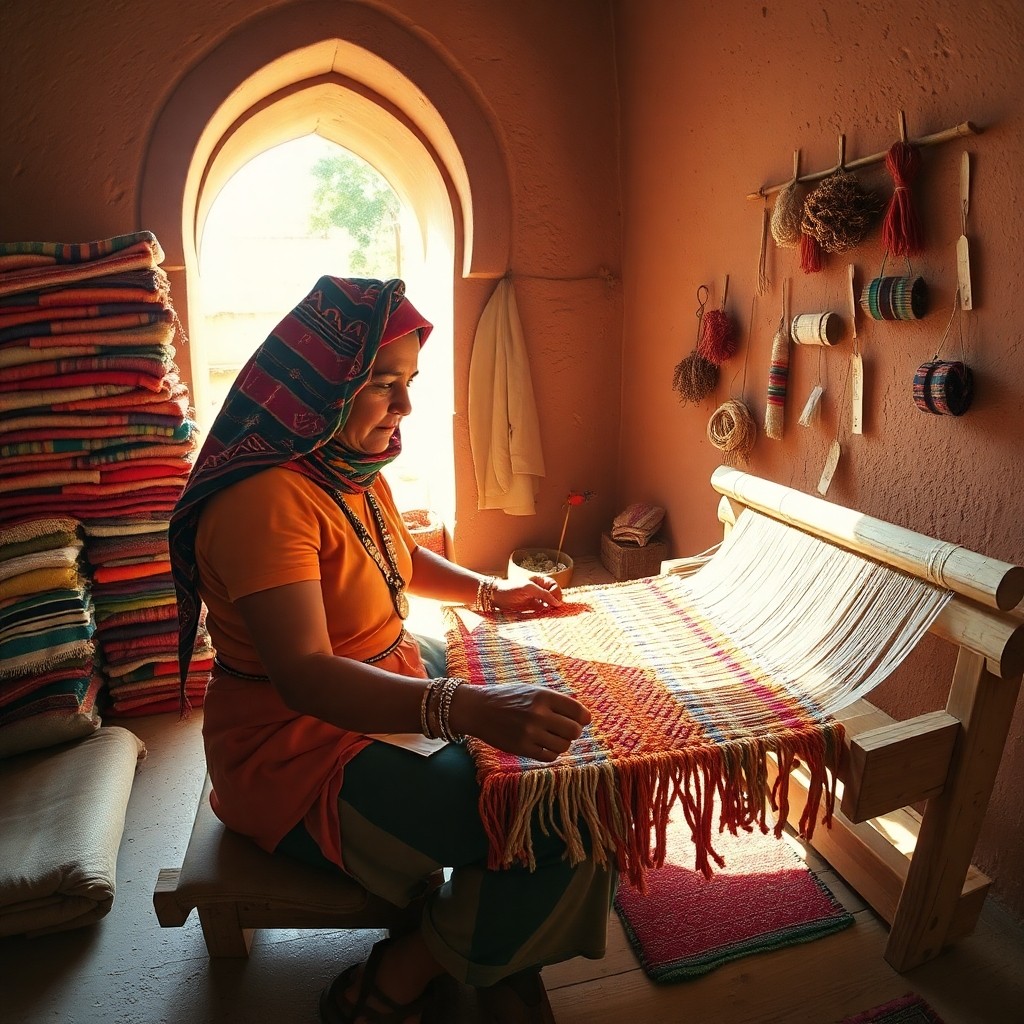
Berber craftsmanship dates back to pre‑Islamic times, when nomadic tribes wove wool on simple looms to create durable floor coverings for desert caravans. Over the centuries, the designs evolved, absorbing influences from Andalusian motifs, Ottoman geometry, and French colonial aesthetics. Today, the same patterns—diamonds, zig‑zags, and stylized stars—appear on rugs, metalwork, and jewelry, linking modern homes to a living heritage.
- **Wool and Cotton** – Hand‑spun fibers are dyed using natural pigments extracted from indigo, madder root, and pomegranate rind. - **Metalwork** – Artisans hammer brass and silver into delicate trays, lanterns, and tea sets, often adding filigree that catches the light. - **Leather Tanning** – Traditional vegetable‑tanned leather is used for poufs, bags, and footwear, preserving the material’s breathability. - **Textile Weaving** – The Beni Ouarain technique employs a plain weave with a dense pile, creating a plush surface that feels cool underfoot in summer and warm in winter.
“Every morning I sit by the loom, feeling the rhythm of my ancestors in each pull of the shuttle,” says Fatima Zahra, a 32‑year‑old weaver from the Atlas Mountains. Her workshop not only produces rugs but also offers a line of artisan Moroccan beauty products that incorporate locally sourced argan oil, echoing the same commitment to authenticity and sustainability that defines her textiles.
According to the Moroccan Ministry of Handicrafts, the sector generated US$ 2.4 billion in export revenue in 2022, supporting over 1.1 million artisans nationwide. This growth is partly driven by global demand for ethically sourced items such as the traditional Moroccan Kessa glove, a staple in skin‑care routines that has seen a 27 % increase in sales since 2020.
Each handcrafted piece tells a story. The geometric motifs on a rug may represent tribal identity, while the silver filigree on a tea tray often signifies hospitality—a core value in Moroccan culture. These symbols travel with the objects, turning homes abroad into cultural ambassadors.
Investing in handcrafted Moroccan décor is more than a design choice; it sustains a vibrant ecosystem of artisans who keep ancient knowledge alive while adapting to contemporary markets. By choosing ethically produced rugs, tea trays, and beauty essentials, consumers become part of a global network that honors tradition and fuels economic empowerment across Morocco’s rural communities.